 Start Read
 Recommend
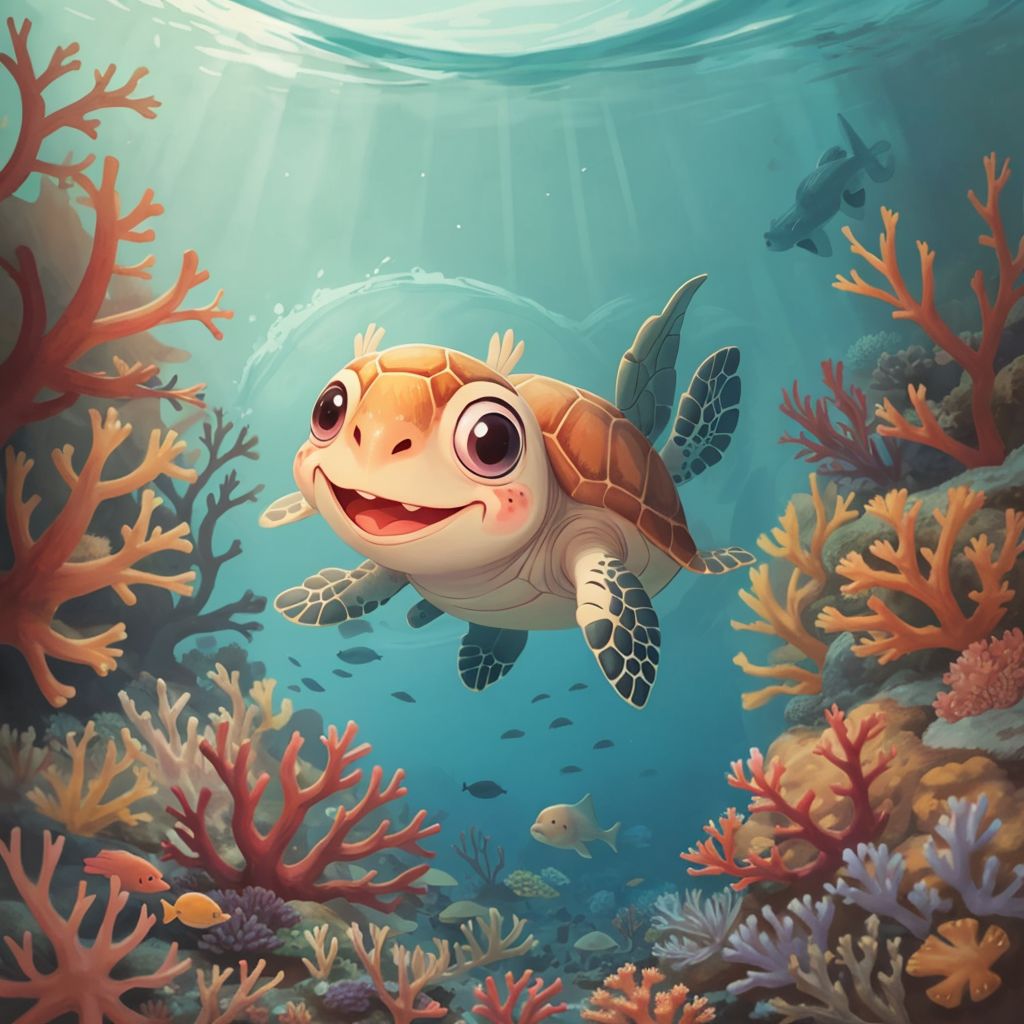
Once upon a time, in the sparkling blue ocean, there lived a cheerful sea turtle named Piyu. He had a special friend named Jelly, a glowing jellyfish with a heart full of kindness. Piyu and Jelly loved playing hide-and-seek among colorful coral reefs, darting through waves, and giggling with joy. One sunny morning, as Piyu woke from his cozy underwater cave, he realized Jelly was nowhere to be found. Worried, Piyu swam across the vast ocean, asking his friends if they had seen Jelly. To his surprise, he found something different—plastic waste floating in the sea. Piyu's heart sank as he saw turtles, fish, and other sea creatures struggling amid the plastic. Determined to find Jelly and clean the ocean, Piyu decided to investigate the plastic waste. As he swam deeper, Piyu discovered that the plastic was coming from humans. People on land were throwing their trash into rivers and oceans, not realizing the harm it caused. Piyu knew he had to take action to save his home. With a bright smile, Piyu returned to the surface and invited all his friends—the fish, dolphins, seahorses, and even seagulls—to join him. Together, they formed a team called "The Ocean Guardians," dedicated to keeping their home clean and safe. Piyu and his friends organized a big beach cleanup day, inviting kids and adults from nearby towns to pick up plastic from the shore. They laughed and sang songs, making it a joyful event. Piyu explained how important it was to properly dispose of waste. After the cleanup, Piyu felt hopeful. The news spread, inspiring many to care for the ocean. Even land animals joined the cause. Finally, one morning, Piyu swam near the coral reefs and spotted something shimmering. It was Jelly! Jelly had been worried but felt joy seeing how hard Piyu and their friends worked. From then on, Piyu, Jelly, and The Ocean Guardians spread awareness about reducing and recycling plastic waste. Together, they ensured a clean and happy ocean for everyone.
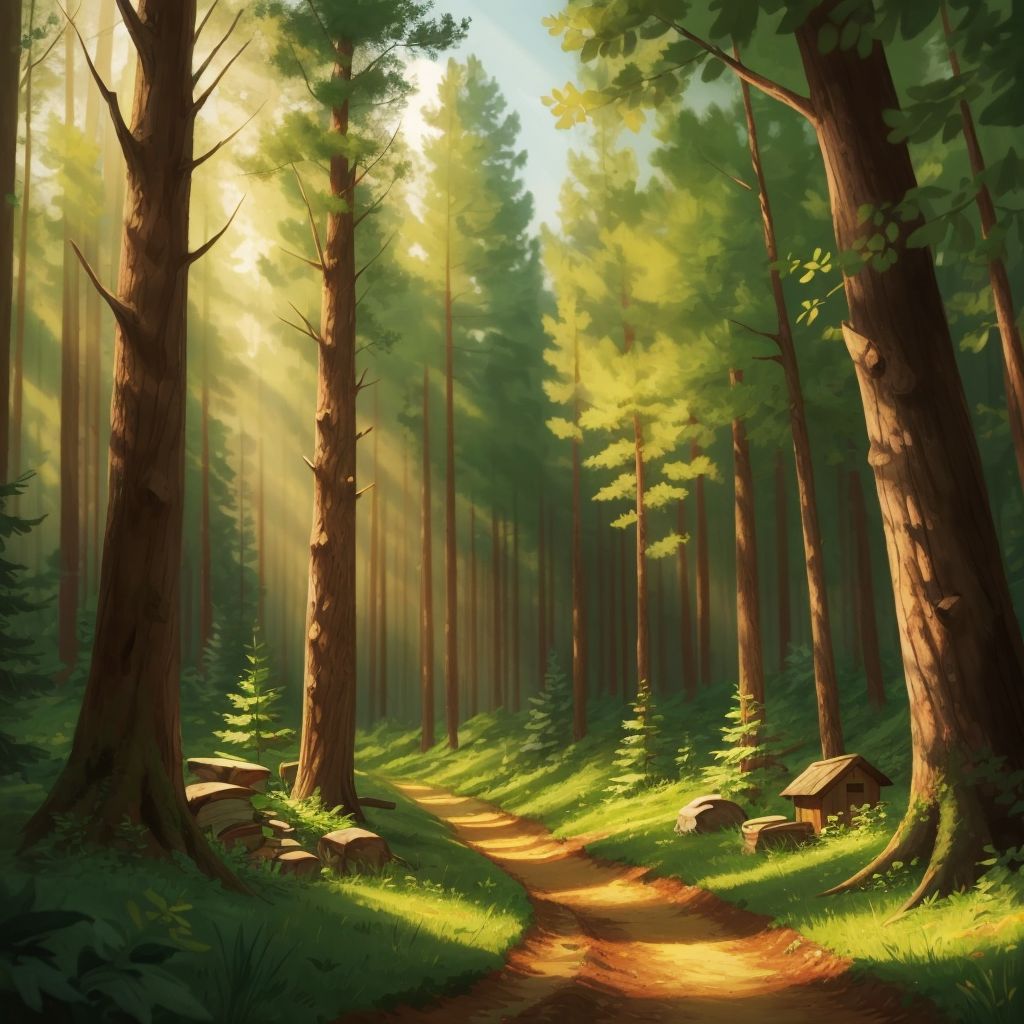
The Apple of Friendship In a cozy forest lived three little animals: Bunny Ears, Hedgehog Spiky, and Squirrel Fluffy. They often played together in a sunny clearing. One day, Bunny Ears found a big, juicy apple. He was very excited and was about to eat it all by himself, but then he thought about his friends. "Hey, Spiky and Fluffy!" Ears called out. "I found a tasty apple. Let's share it!" Hedgehog and Squirrel came running, and together they divided the apple into three equal pieces. "How wonderful it is to have friends!" said Fluffy, munching on her piece. "And how nice it is to share!" added Spiky. From that day on, the little animals always shared everything they found. They understood that it's more fun together, and sharing is a sign of true friendship and kindness.
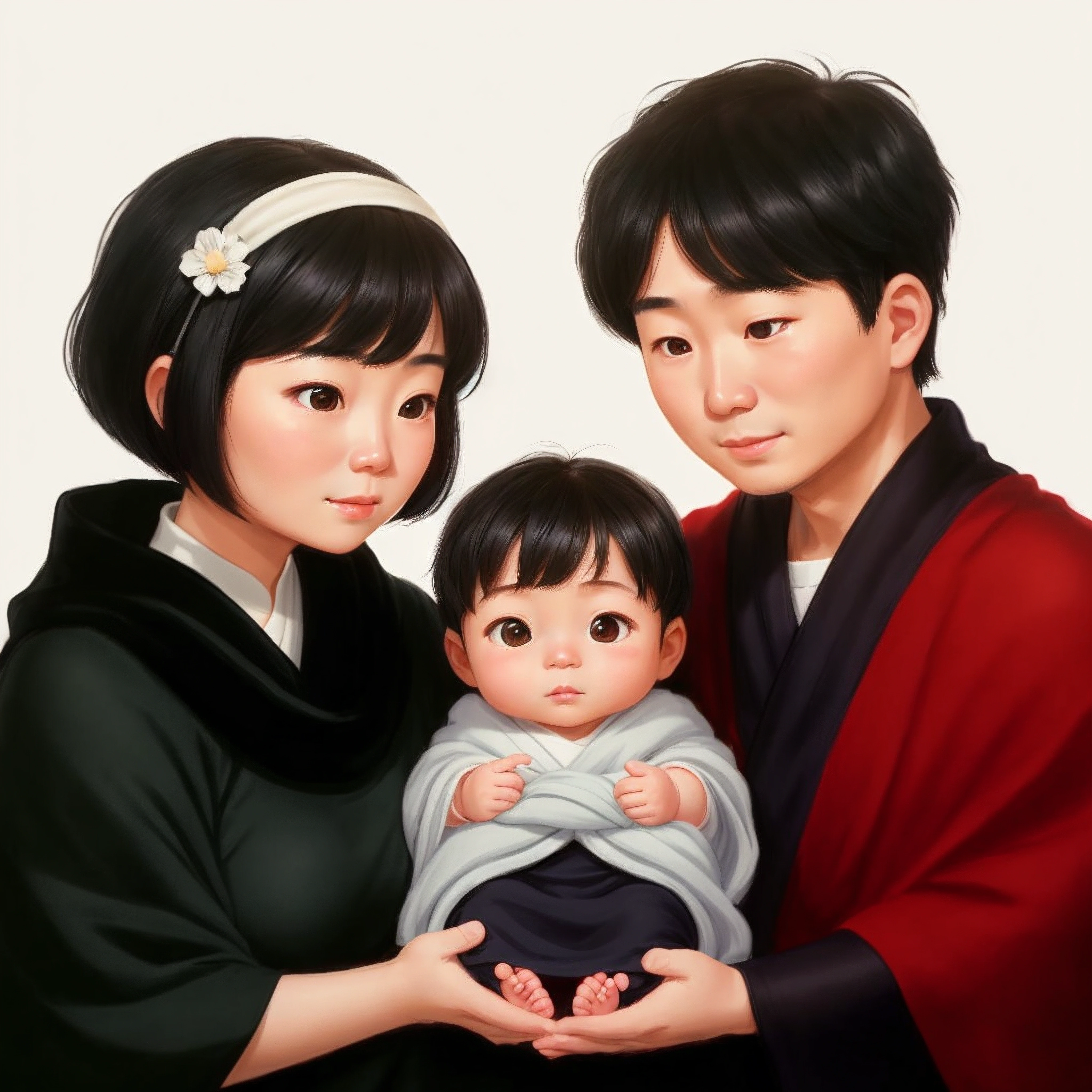
a girl baby was born in Taiwan and she have mother is Vietnamese, father is Taiwanese
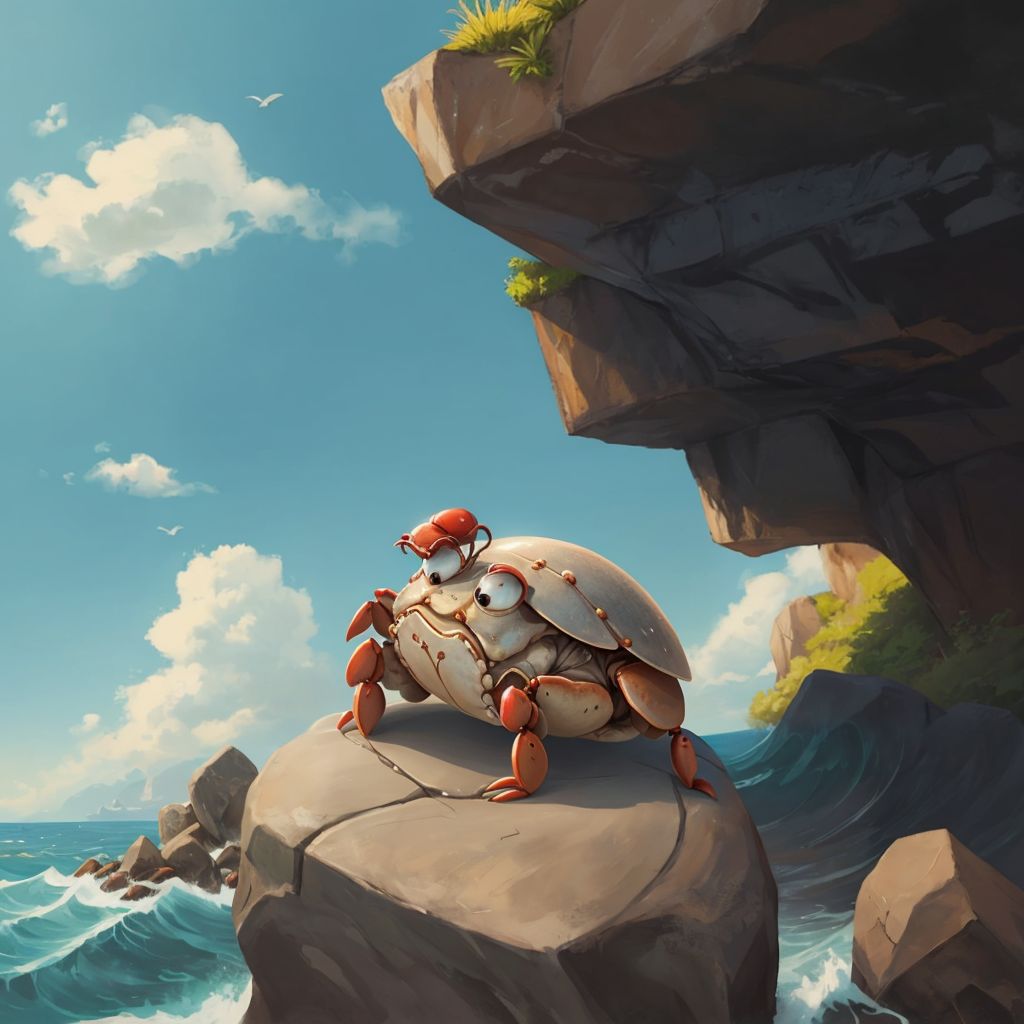
A grumpy crab lives on a rock on the shoreline. He does not want to share his rock. He says "get off my rock, this is my rock" to the animals who come near his rock including a butterfly, puffin, admiral, and a seagull. A mermaid comes out of the sea and tells the crab he needs to learn to share and let the animals rest on his rock. The crab ends up listening to the mermaid and he realizes that by sharing his rock, and listening to the stories of the animals, he can make friendships.
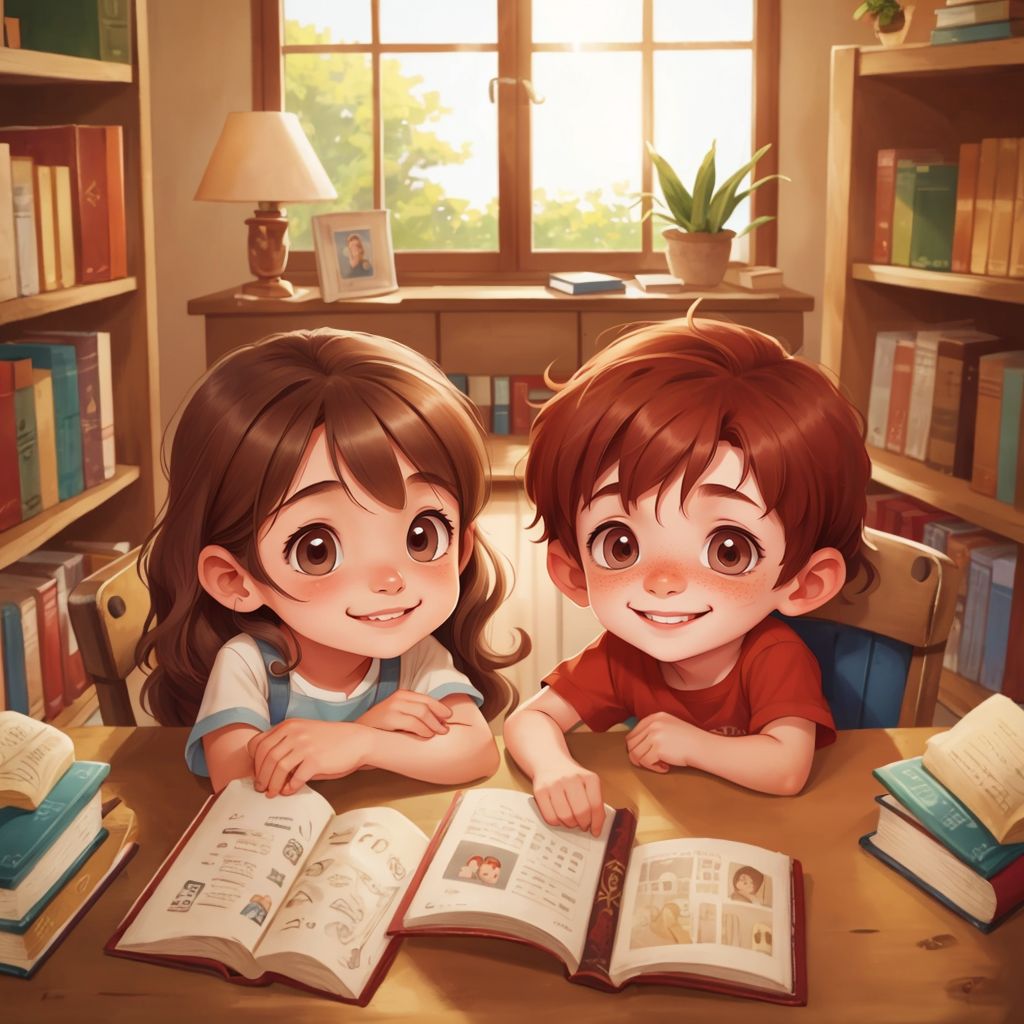
Sophia and Kallen learn about the importance of understanding text features in a nonfiction book. Headings: Titles or subtitles that indicate the topic of a section. Titles: The main title of the document or section that summarizes the content. Bold Print: Text emphasized for importance or to highlight key terms. Italics: Text style used for emphasis, foreign words, or titles of works. Captions: Descriptions or explanations of images, charts, or figures. Diagrams: Visual representations of concepts, processes, or systems. Maps: Geographic visuals showing locations, regions, or pathways. Graphs/Charts: Visual data representations, such as bar charts, pie charts, or line graphs. Photographs: Real images used to visually support or enhance the text. Tables: Grid-based layouts showing data or information in rows and columns. Sidebars: Boxes of additional information or facts placed alongside the main text. Glossary: A list of key terms and their definitions, usually at the end of a text. Index: An alphabetical list of key topics and the pages where they can be found. Table of Contents: An organized listing of the chapters or sections in the text. Labels: Text accompanying diagrams or images to identify parts or explain content. Timeline: A visual representation showing events in chronological order.
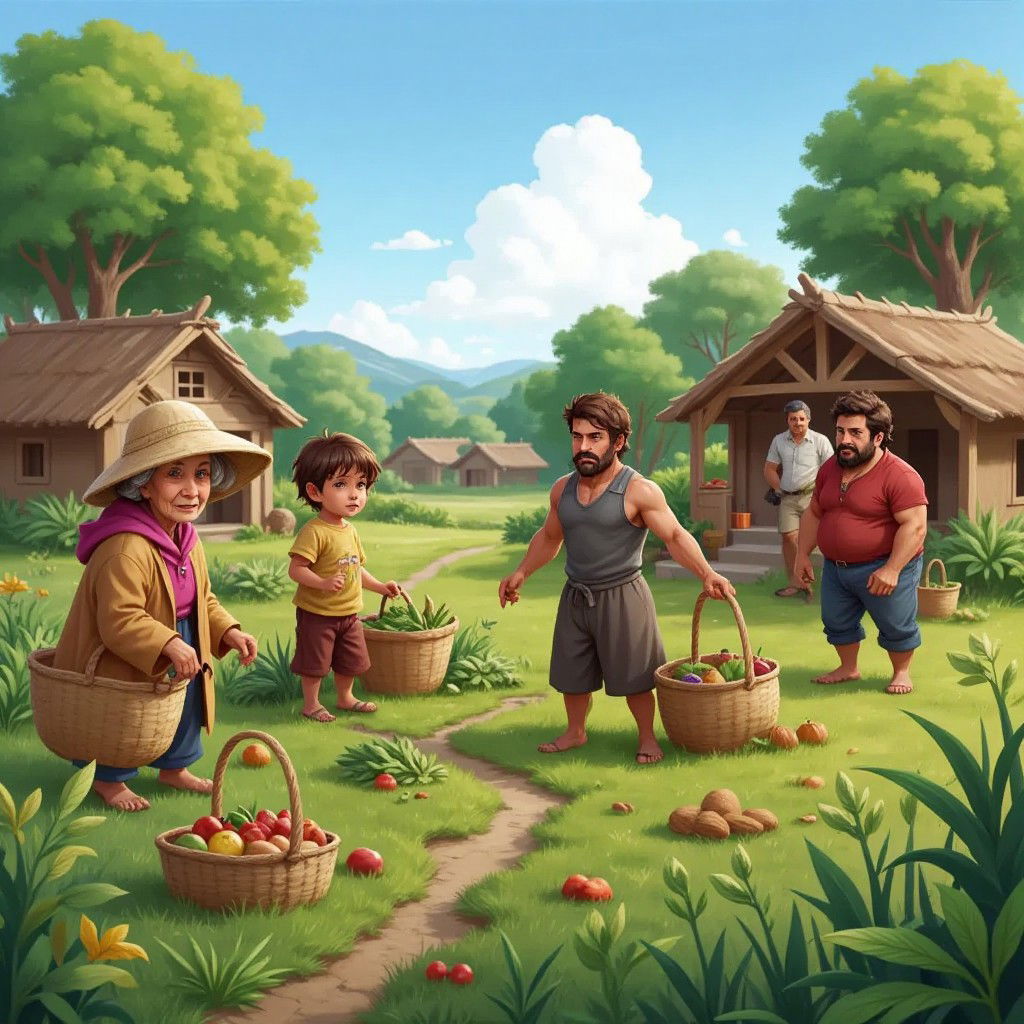
Há muito, muito tempo, antes de existirem escolas, livros e até mesmo cadernos, as pessoas viviam em aldeias e trabalhavam juntas para conseguir comida, construir casas e preparar festas. Mas havia um grande problema… os números ainda não existiam! Certo dia, a aldeia estava se preparando para uma grande festa. Eles precisavam dividir os alimentos entre as famílias, separar os bancos para as pessoas sentarem e organizar as frutas para a sobremesa. Mas como fazer isso sem contar? O chefe da aldeia olhou para todos e disse: — Precisamos de ajuda! Como podemos garantir que cada família receba a mesma quantidade de pão e peixe? Como podemos saber se todos terão um lugar para sentar? Os moradores começaram a tentar resolver a situação: Alguns tentaram comparar os alimentos colocando um monte ao lado do outro. Outros tentaram distribuir usando as mãos, mas sem saber se estavam dando mais ou menos para cada um. Alguns começaram a usar pedras para representar o que estavam distribuindo. Mesmo assim, tudo parecia confuso. Como eles poderiam se organizar melhor? Desafio para a turma: Agora, seus alunos fazem parte da aldeia! Em grupos, eles precisam pensar em soluções para os problemas sem usar números. Dê a cada grupo um desafio, como: Como dividir os peixes entre as famílias de forma justa? Como garantir que cada pessoa tenha um lugar para sentar na festa? Como lembrar quantos dias faltam para a festa sem um calendário? Depois, cada grupo compartilha sua solução. No final, você pode conduzir a reflexão: Como a invenção dos números ajudou as pessoas a resolver esses problemas?
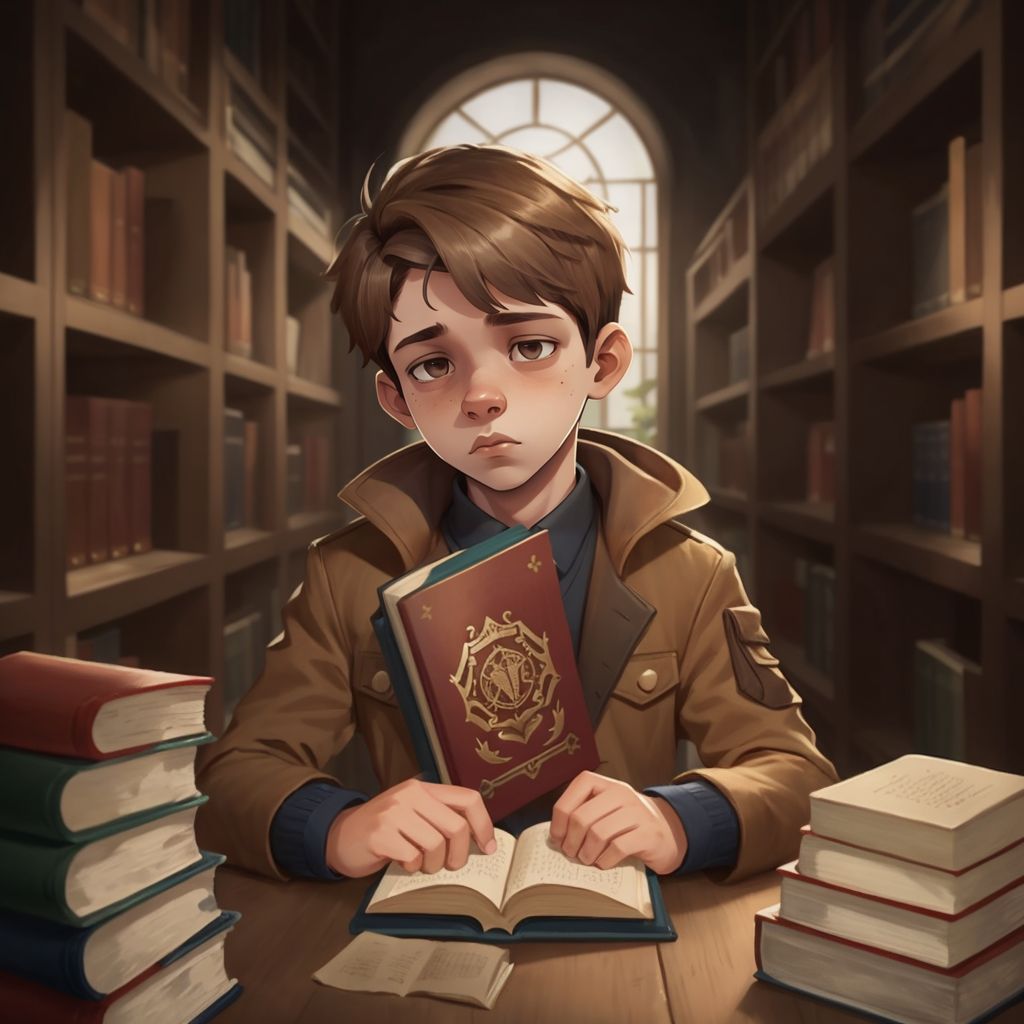
Gabriel cries because his parents got into an argument
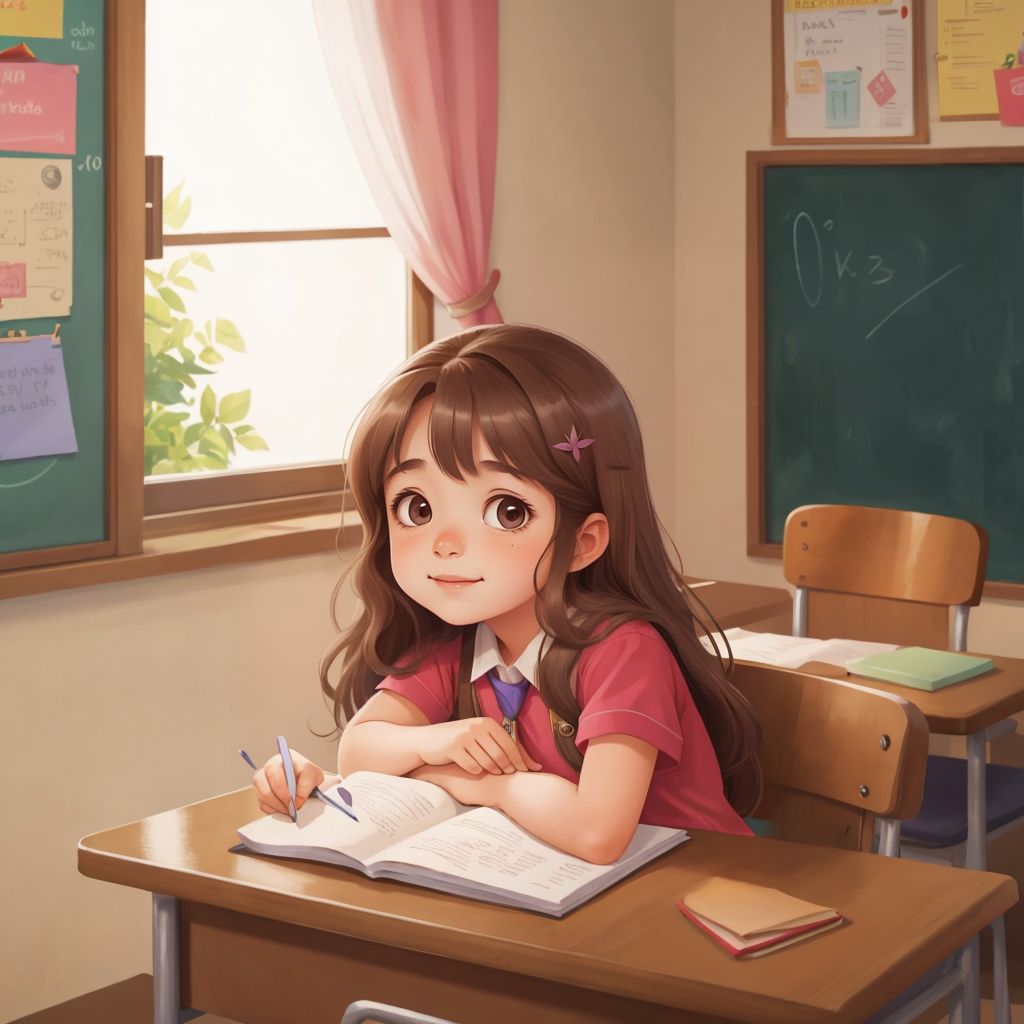
Describe the 4 seasons in both English and Spanish. to Luna. Luna is new to our school and only speaks Spanish. Include the reasons why we have the seasons and use the words tilt, rotate, and revolve
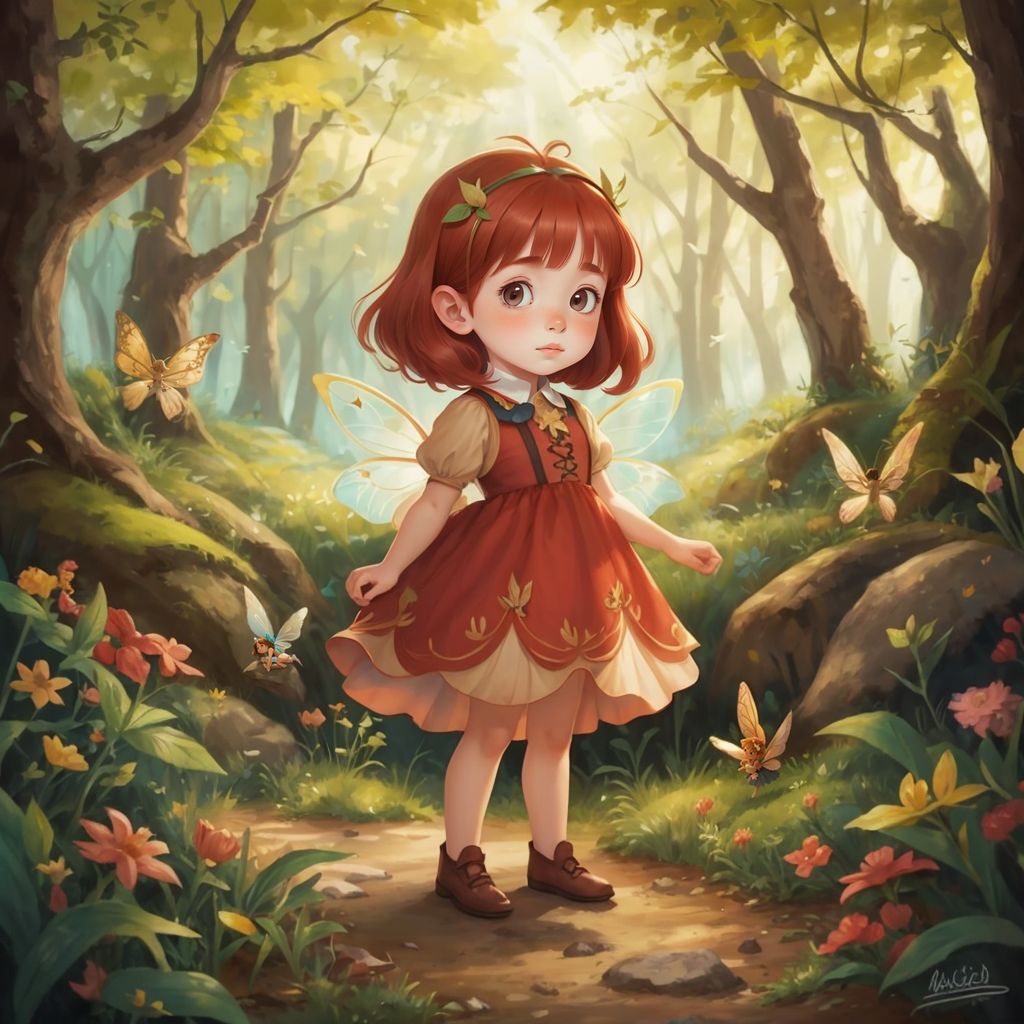
Front cover with the title. Fairies are all together and happy with scribes in their hands
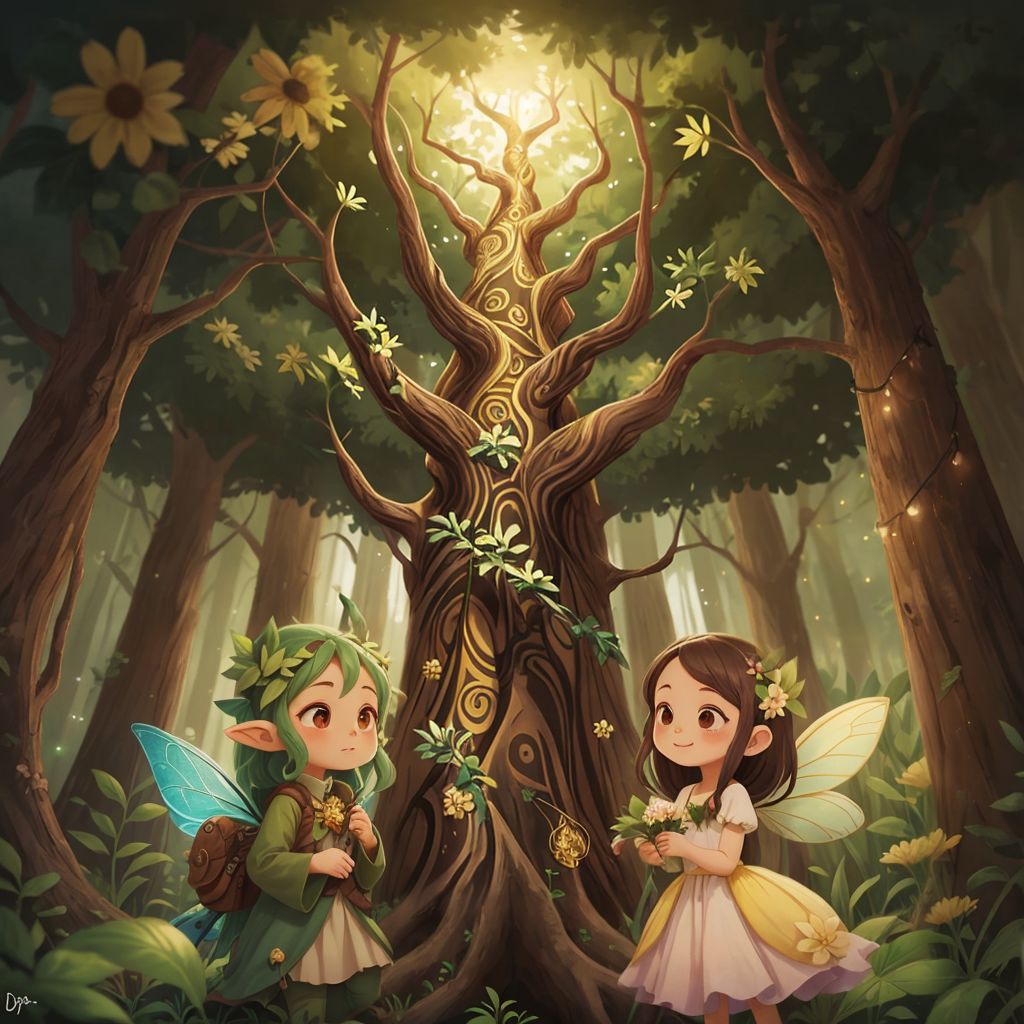
Once upon a time, there were two friends, two fairies. One was a Flower Fairy and the other was a Forest Fairy. They spent their time joyfully and harmoniously: casting spells together, improving their magical skills,and creating new flowers and trees
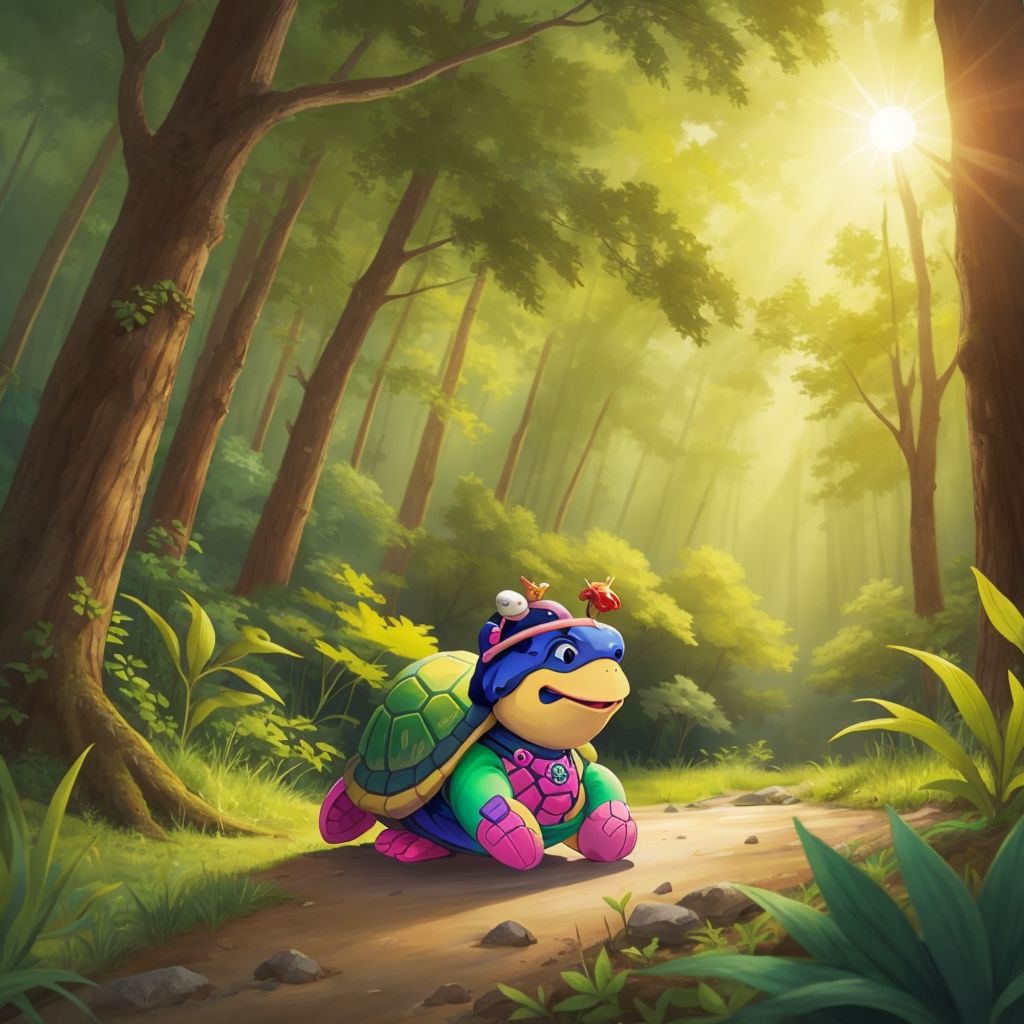
Happy Turtle meets friends who are all very different from each other. There’s a tall giraffe and a short bunny, a fast cheetah and a slow snail. Through these friendships, Happy Turtle introduces kids to the concept of opposites. This engaging story, with fun illustrations, helps young children understand and recognize opposites in a playful way.
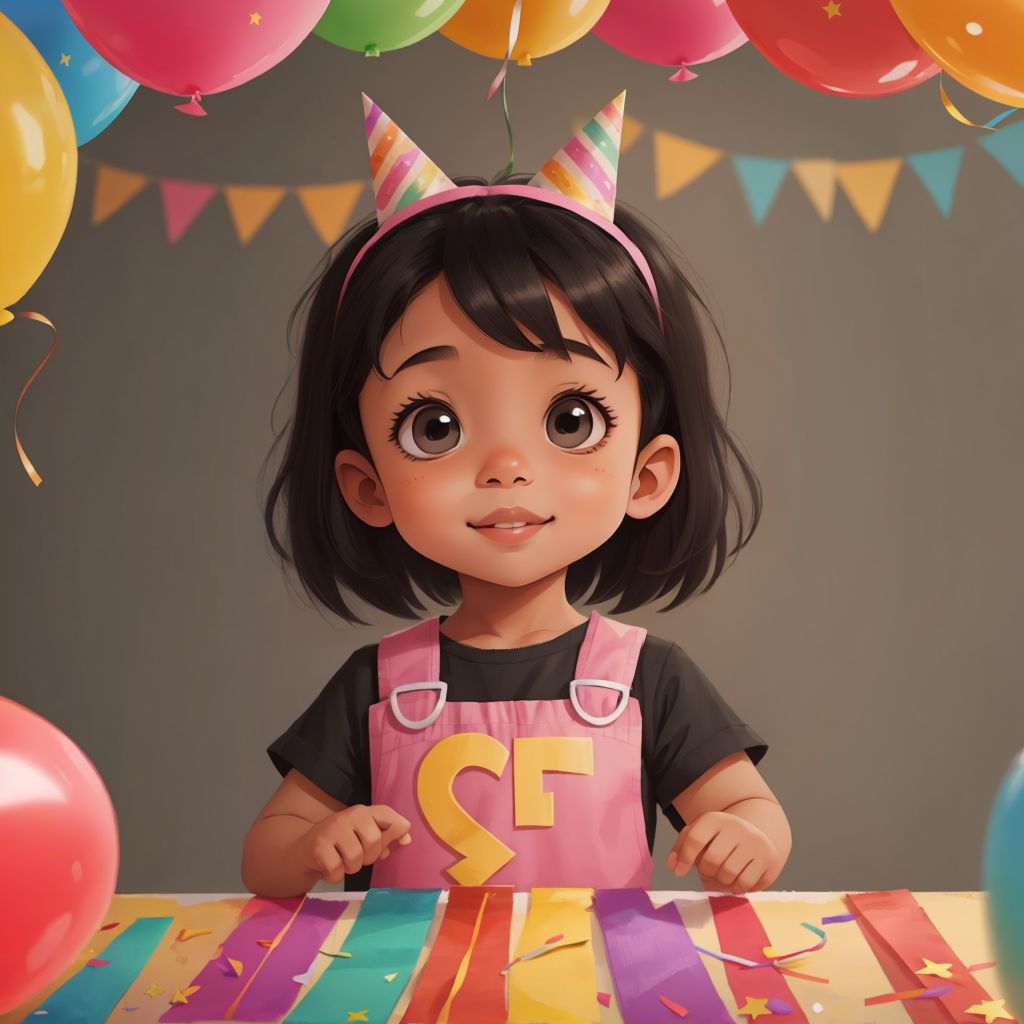
It's Kobi's 3rd birthday and all she wants is a white birthday cake with colorful sprinkles. But on the day of her birthday she thinks her mommy forgot all about her cake. She goes to school where everyone celebrates her birthday but she feels sad because there is no cake. At home she gets all of her toys and presents, but no cake. They go out to eat at her favorite restaurant. Kobi is happy but she still wants her cake. After they get home, mommy tells Kobi she has a surprise for her and pulls out a beautiful little white cake with colorful sprinkles. She kisses Kobi and tells her happy 3rd birthday.
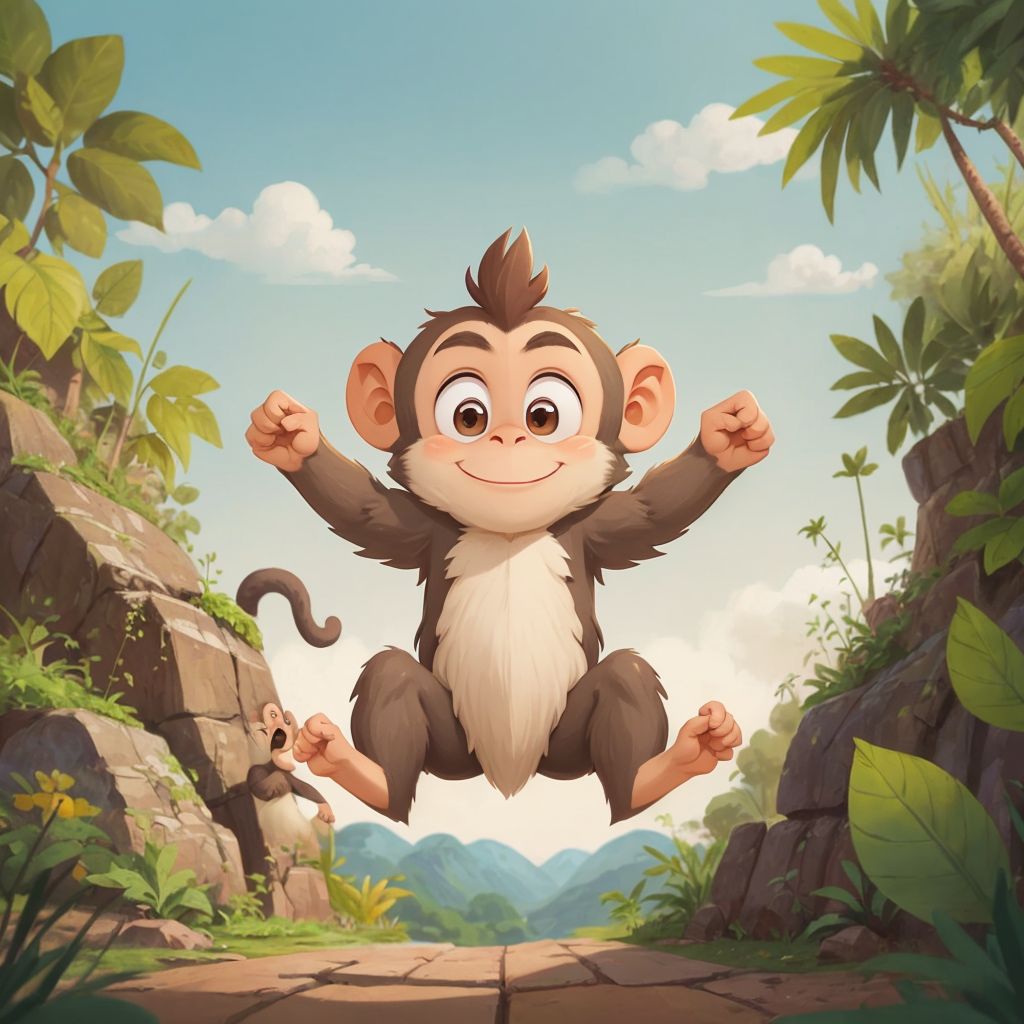
Meeting an unexpected friend
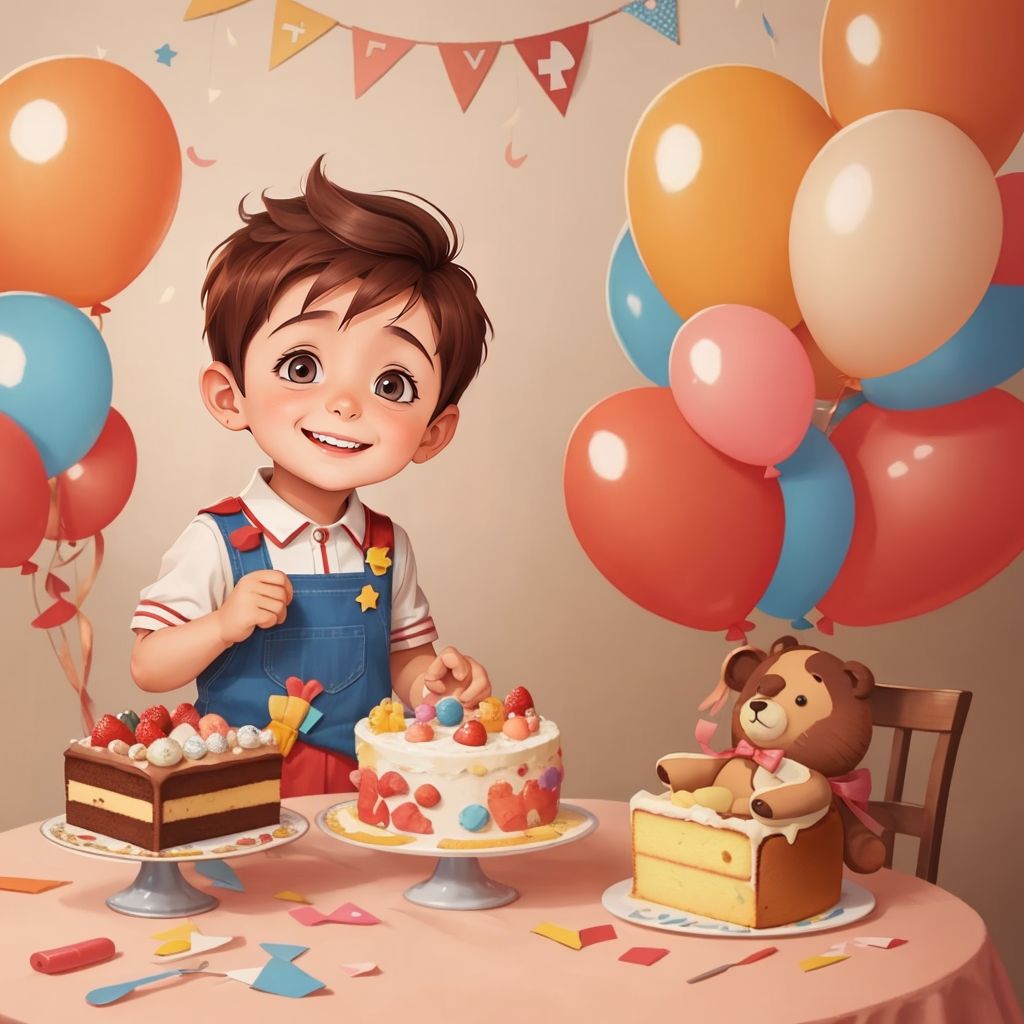
A boy ted celebrates his birthday with a teddy bear faced cake but seeking to improve the cake tries to make the cake smile using a spoon but ends up destroying it in the process his mother than fixes the cake using sprinkles
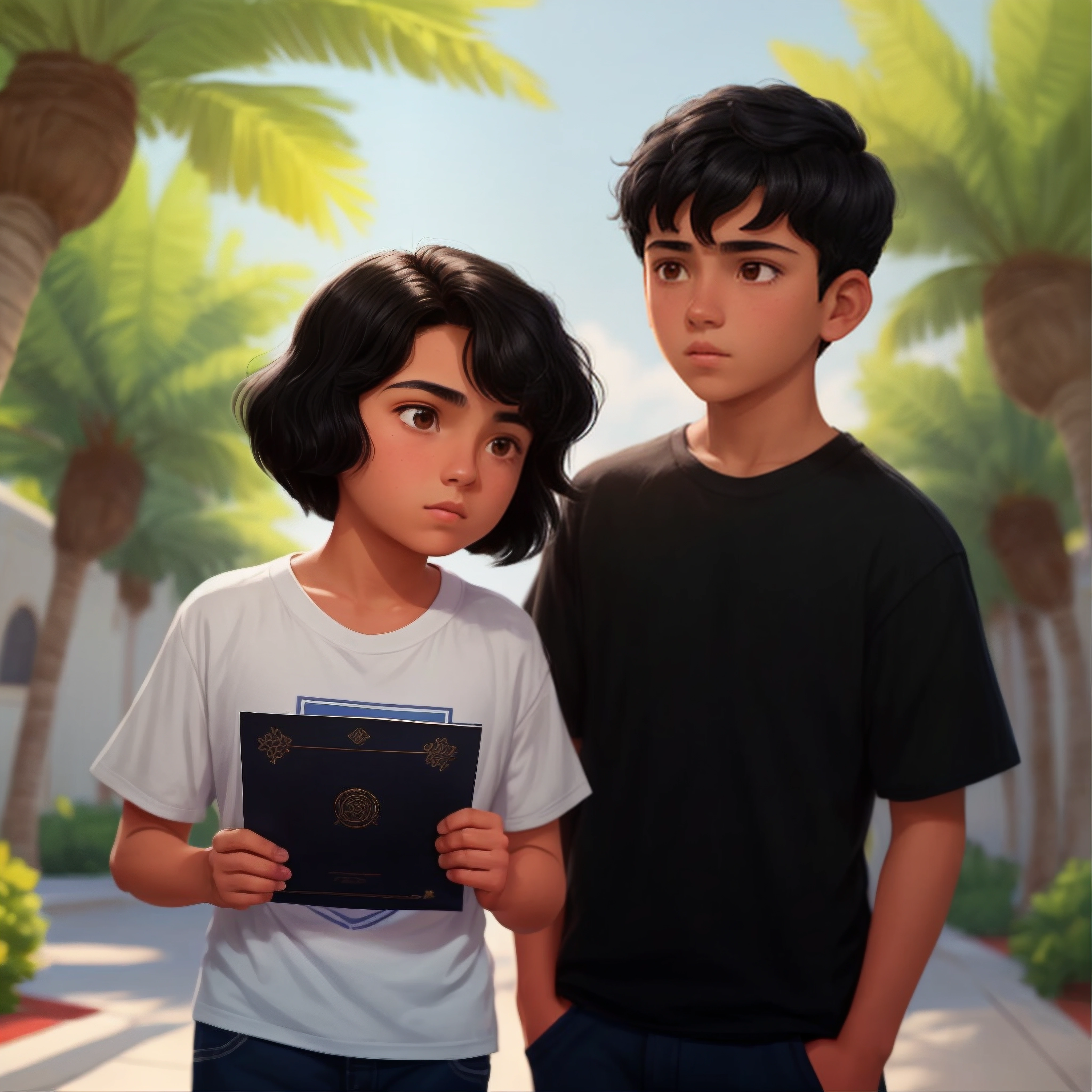
A book of giving thanks.
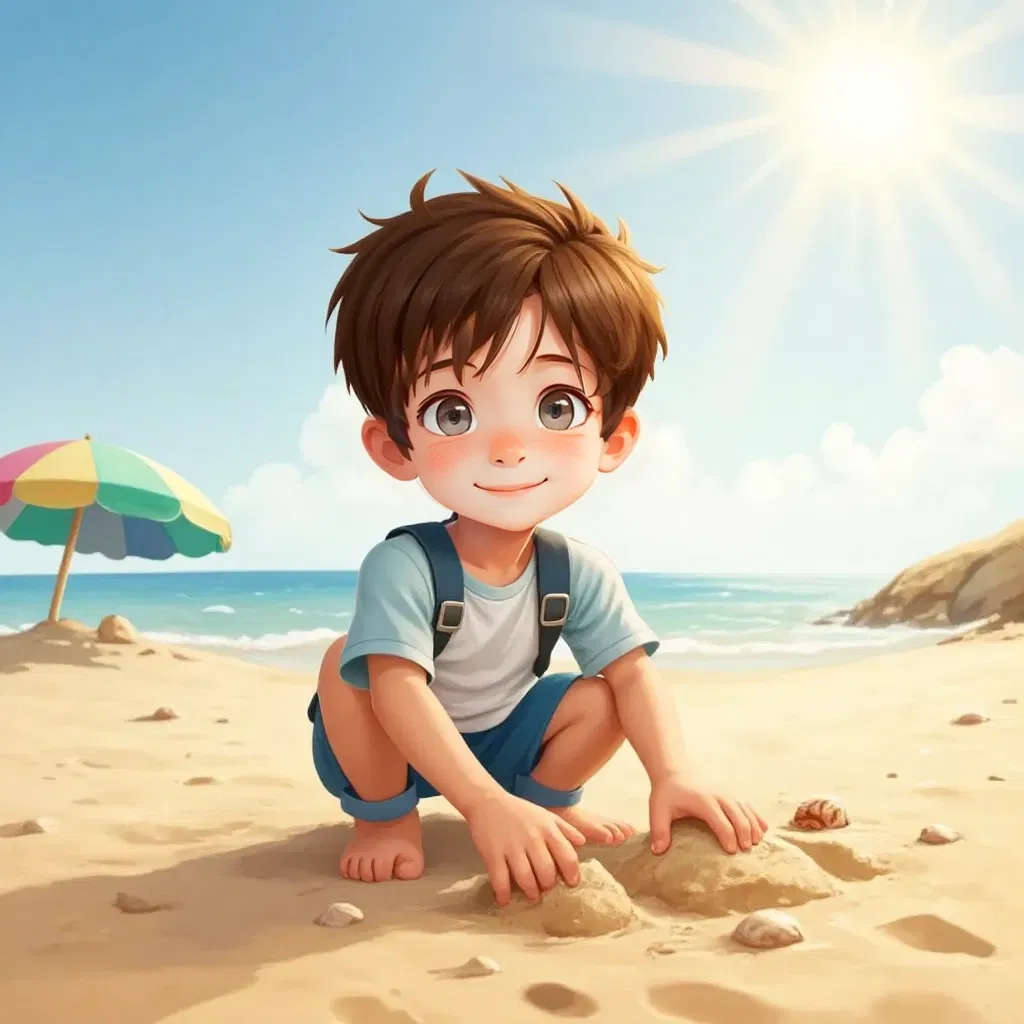
In the sunny village of Sandy Cove, a curious boy named Finn found a rusty key on the beach. His best friend, Lila, noticed strange markings on it. “It’s a map!” she said. Excited, they borrowed a rowboat and followed the map to a rocky island. Behind a waterfall, they found a glowing cave. Inside, a shimmering pool held a golden chest. But as they approached, a majestic sea dragon emerged. “Who seeks the treasure?” it asked. “We do,” Finn said bravely, showing the key. The dragon smiled. “The treasure isn’t gold—it’s the magic of friendship, courage, and curiosity.” It opened the chest, releasing a warm, glowing light that filled Finn and Lila with joy. The dragon gave them glowing seashells as reminders of their adventure. Rowing home under a sunset sky, Finn and Lila realized the greatest treasures are the ones we carry in our hearts. The End.
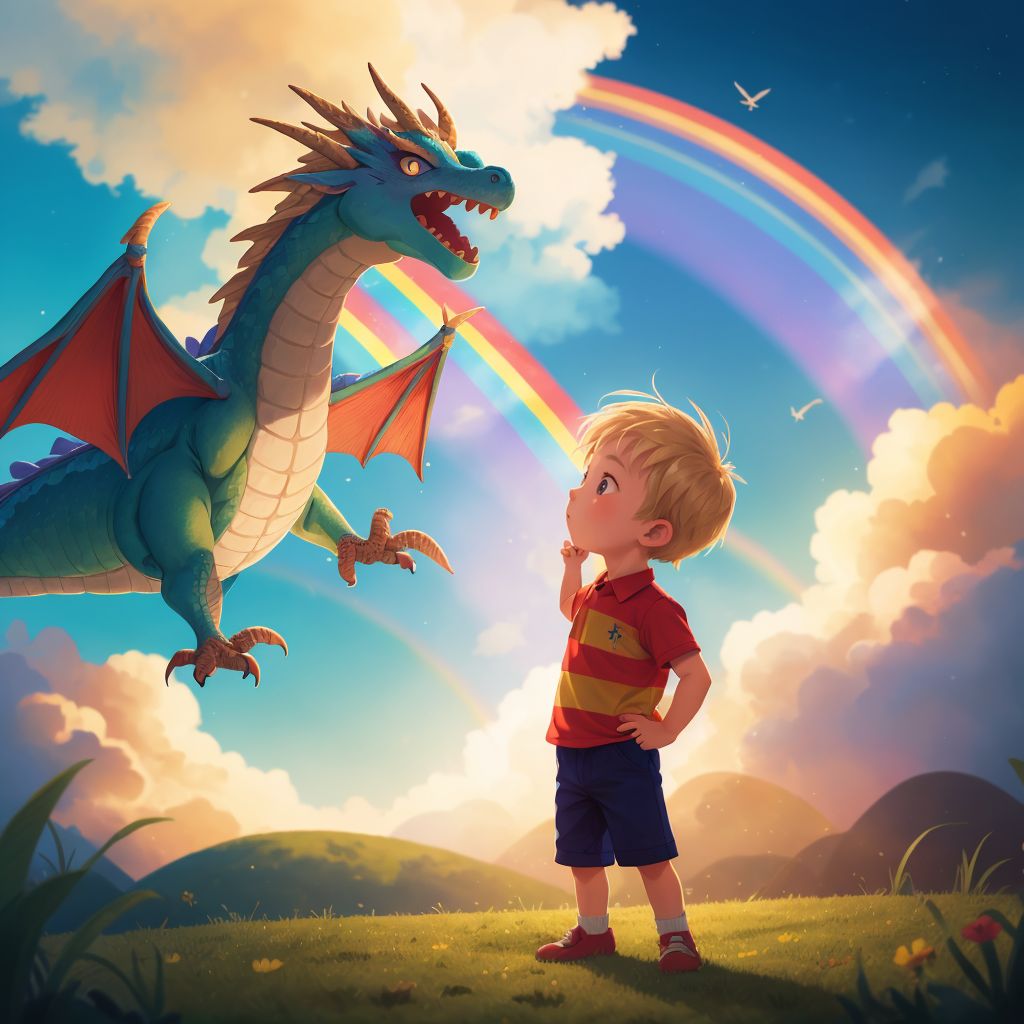
James discovers a Rainbow Dragon and together they go on a fun adevture to find hidden treasure. Along the way they encounter a naughty Ninja and a mischevious velocoraptor.
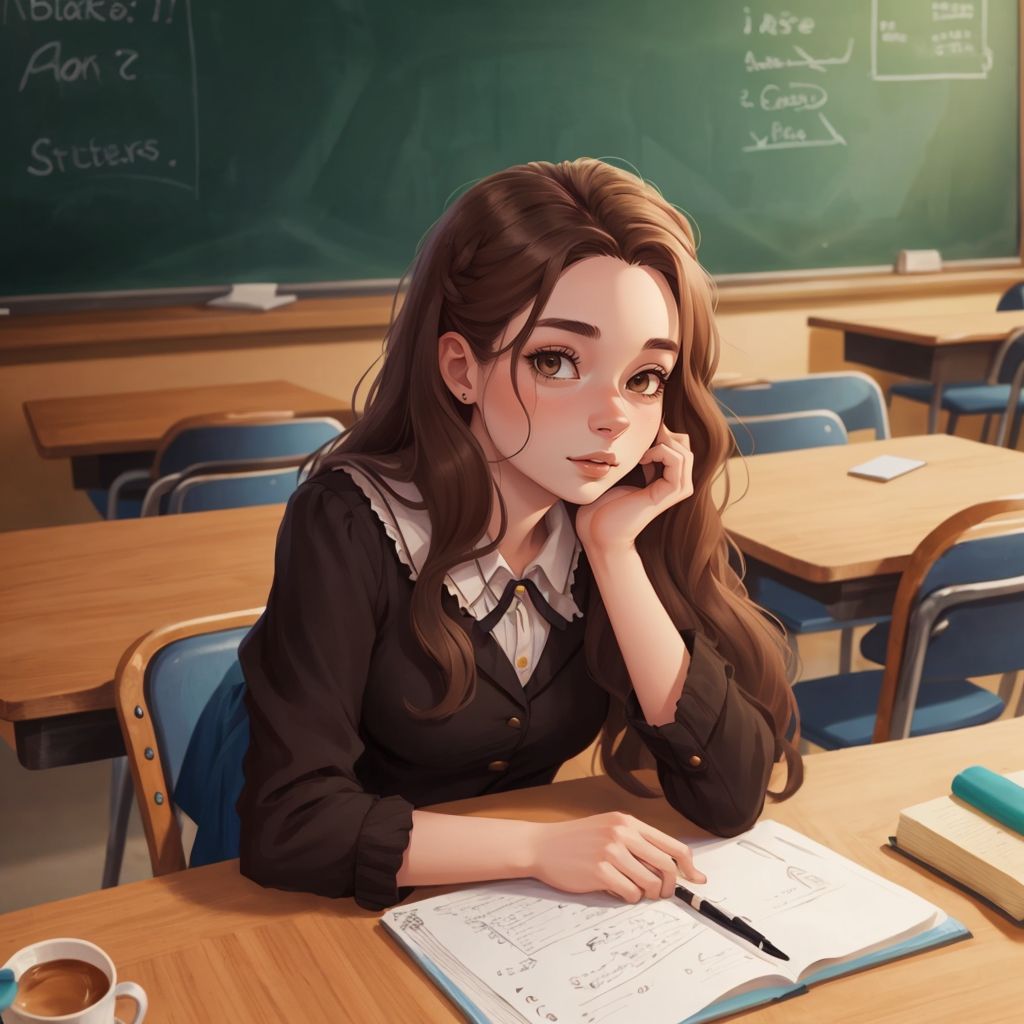
Cinco amigas, unidas por su pasión por la enseñanza, se embarcan en una aventura educativa única mientras cursan un máster en profesorado. Guiadas por el modelo del Proyecto Roma, crean una "clase cerebro", un espacio en el que aprenden a pensar, sentir y colaborar como un solo ente. A lo largo de su viaje, exploran las dimensiones clave de la educación y enfrentan desafíos que transforman no solo sus habilidades como maestras, sino también sus valores y su comprensión de la enseñanza. Este viaje, lleno de descubrimientos y crecimiento, las convierte en mejores profesionales y personas, preparadas para inspirar a futuras generaciones.

Your children’s book follows Zeni, a vibrant and adventurous character who embarks on a new adventure every day of the week. Each page introduces a different yoga pose and an inspirational quote or saying, helping toddlers explore mindfulness, mental health, yoga, and natural wellness. In addition to yoga, Zeni experiences moments of anxiety, where she learns and practices simple breathing techniques to calm down during a panic attack. This gentle introduction to meditation, emotional regulation, and self-care helps young readers understand how to manage their feelings in a healthy way, fostering early mental wellness and growth.
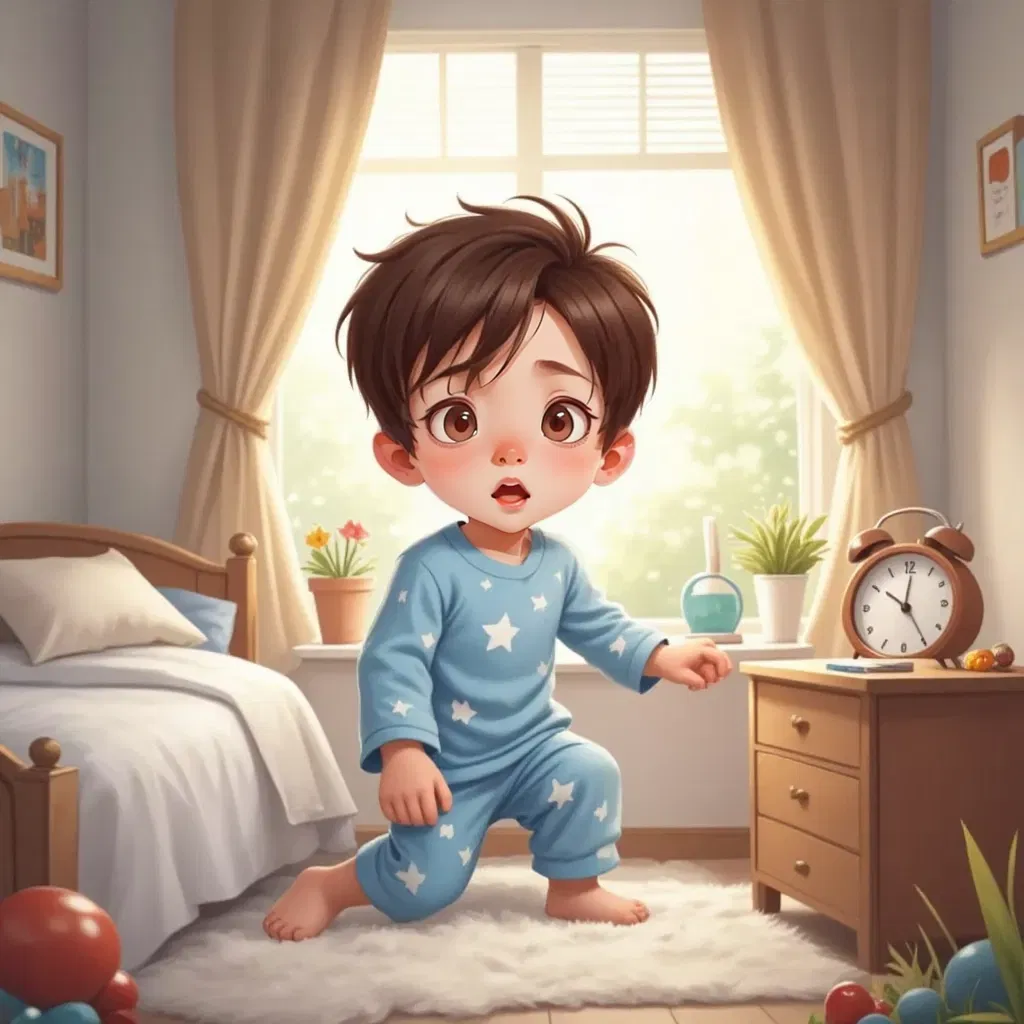
The Magical Morning Music Once upon a time, in a cozy little house, a young child named Riley was fast asleep, snuggled under a warm, fluffy blanket. But soon, the sun peeked through the curtains, and the morning began! (Use a triangle or chime to make a gentle "ding-ding" sound for the sunrise.) Suddenly, the alarm clock rang! "Beep! Beep! Beep!" Riley stretched and yawned, rubbing their sleepy eyes. (Use a tambourine or small drum to mimic the alarm clock sound.) Riley jumped out of bed and tiptoed to the bathroom. Pitter-patter, pitter-patter! (Use fingertips on a drum to create soft tiptoeing sounds.) In the bathroom, Riley turned on the faucet—Whoosh!—and brushed their teeth—Scrub, scrub, scrub! (Use a rainstick for running water and a guiro for brushing sounds.) Next, Riley got dressed, pulling on their shirt, pants, and shoes. Zip! Snap! Stomp! (Use a ratchet or sand blocks for the zip, a castanet for the snap, and a drum for the stomp.) Downstairs, breakfast was ready. The spoon clinked against the bowl as Riley ate their cereal. Clink! Clink! Munch! Munch! (Use a wood block or metal spoon on a small bowl.) After finishing breakfast, Riley grabbed their backpack and ran out the door. The birds chirped in the trees—Tweet! Tweet!—and a gentle breeze blew past—Whooosh! (Use a small whistle for birds and a shaker for the wind.) At the bus stop, the school bus arrived with a loud "Vroom! Honk!" Riley hopped on and found a seat as the bus rumbled down the road. (Use a drum roll for the bus engine and a horn for the honk.) Finally, Riley reached school and walked into the classroom, ready to learn. The school bell rang—"Ding-dong!"—and everyone settled in for a wonderful day ahead. (Use a triangle or bell for the school bell.) And so, with music all around, Riley’s magical morning was complete! The End.