
 Start Read
 Recommend

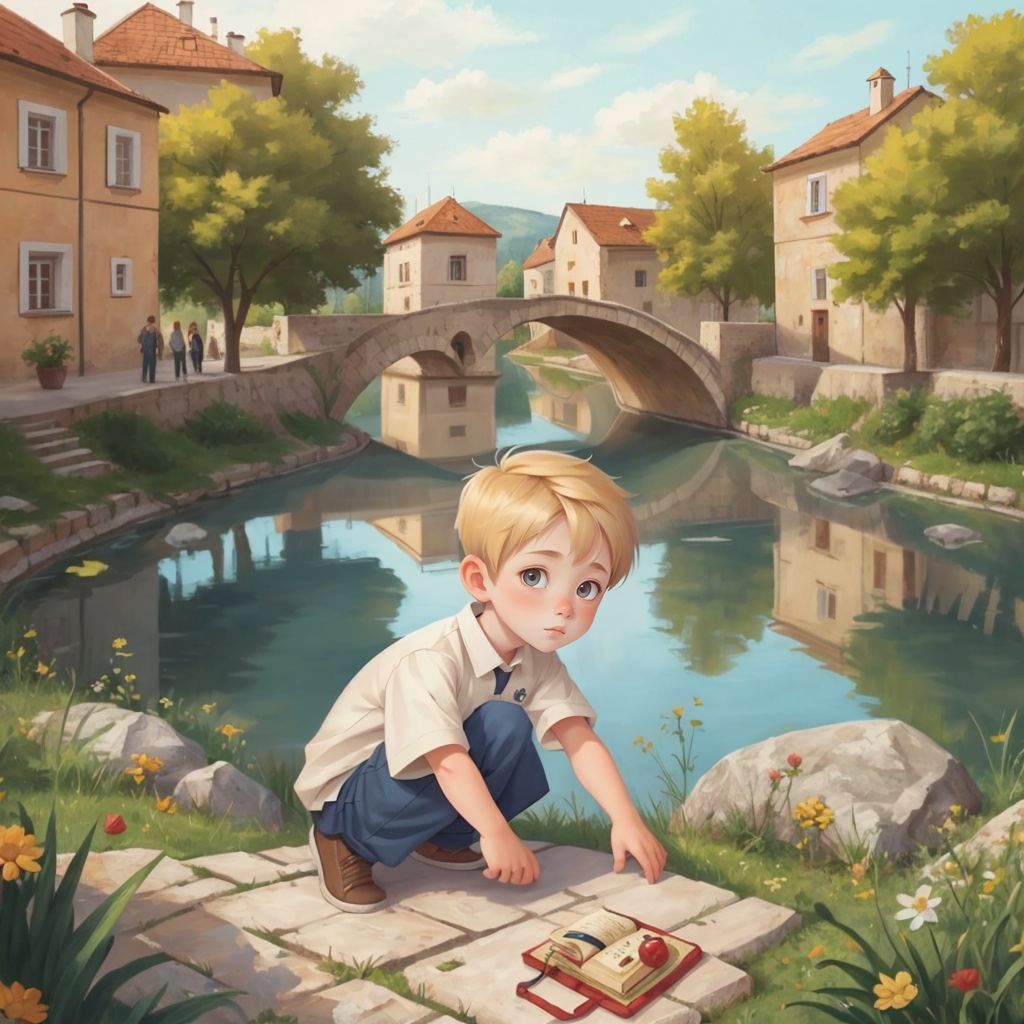
Once upon a time in the small town of Clarityville, there lived a curious young boy named Chad. Chad was known far and wide for his strange habit—he never finished his sentences! No matter how important,. every sentence he started ended in a dangling pause. The townspeople grew frustrated at the cognitive dissonance constantly created by Chad They all gather in the townsquare one day, and end up hanging him. In the process, individual townspeople, named similar to individual elicitation techniques, engage with him in ways meant to elicit the conclusion of his thoughts. Chad’s predicament could keep the story humorous, with townspeople misunderstanding or jumping to conclusions, but each interaction could introduce and define a different elicitation technique for the child reader.
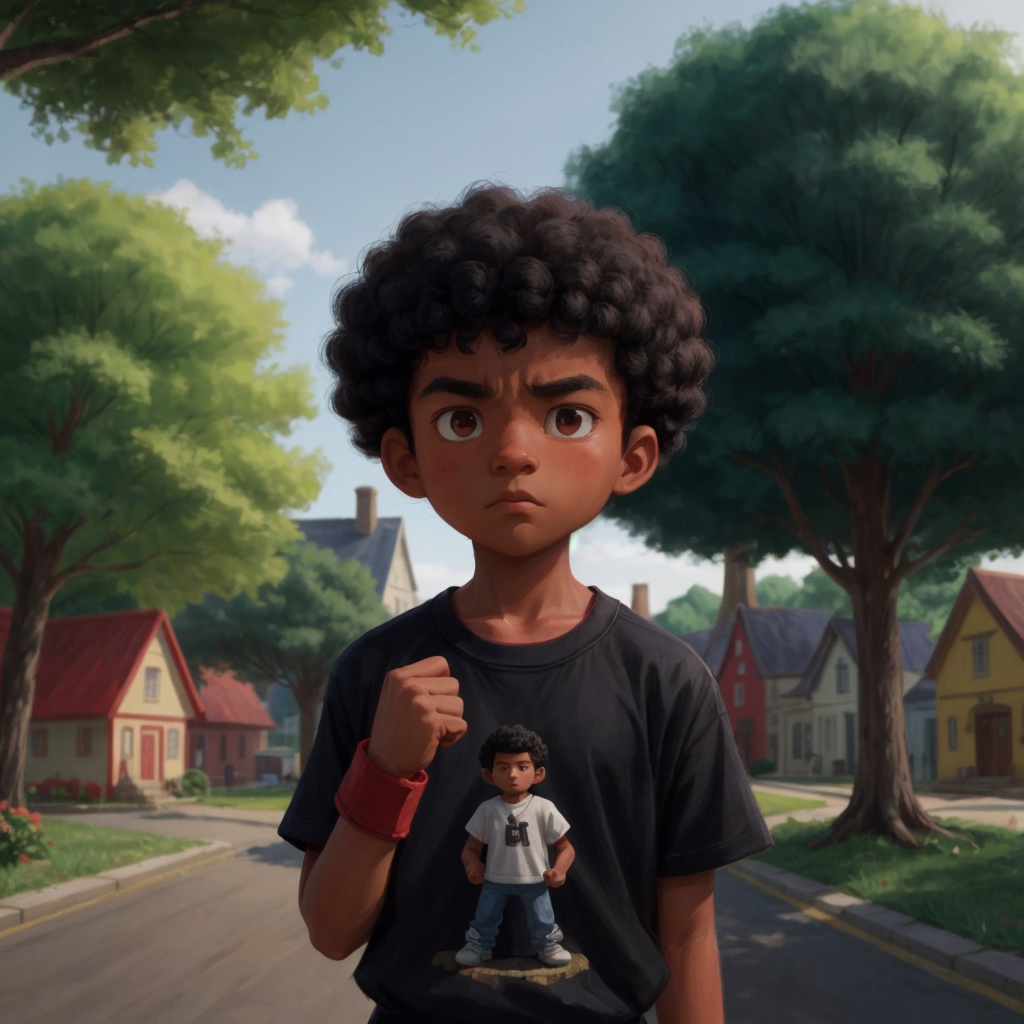
A young boy in school who does not know how to regulate himself. When some one upsets him, he gets angry. His face goes red and he looks angry. One day his best friend does not want to play with him anymore and he gets angry and starts to hit the class room walls. A teacher sees this shoes his meditation techniques to calm down and he begins to breathe in and out and learns to regulate his emotions.
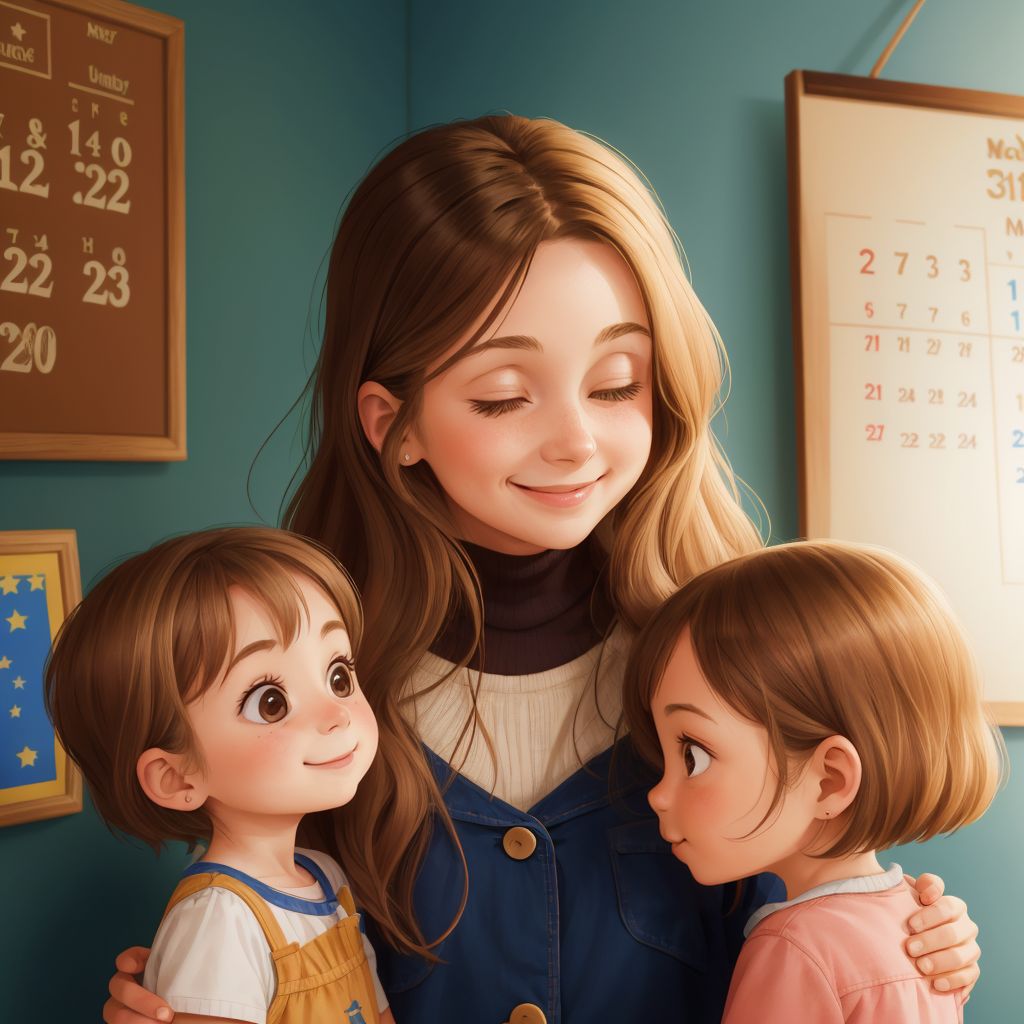
1. Big sister has been waiting for little sister to come home for months 2. Little sister gets a new heart and is able to be discharged from the hospital. 3. The girls play together and big sister is happy.
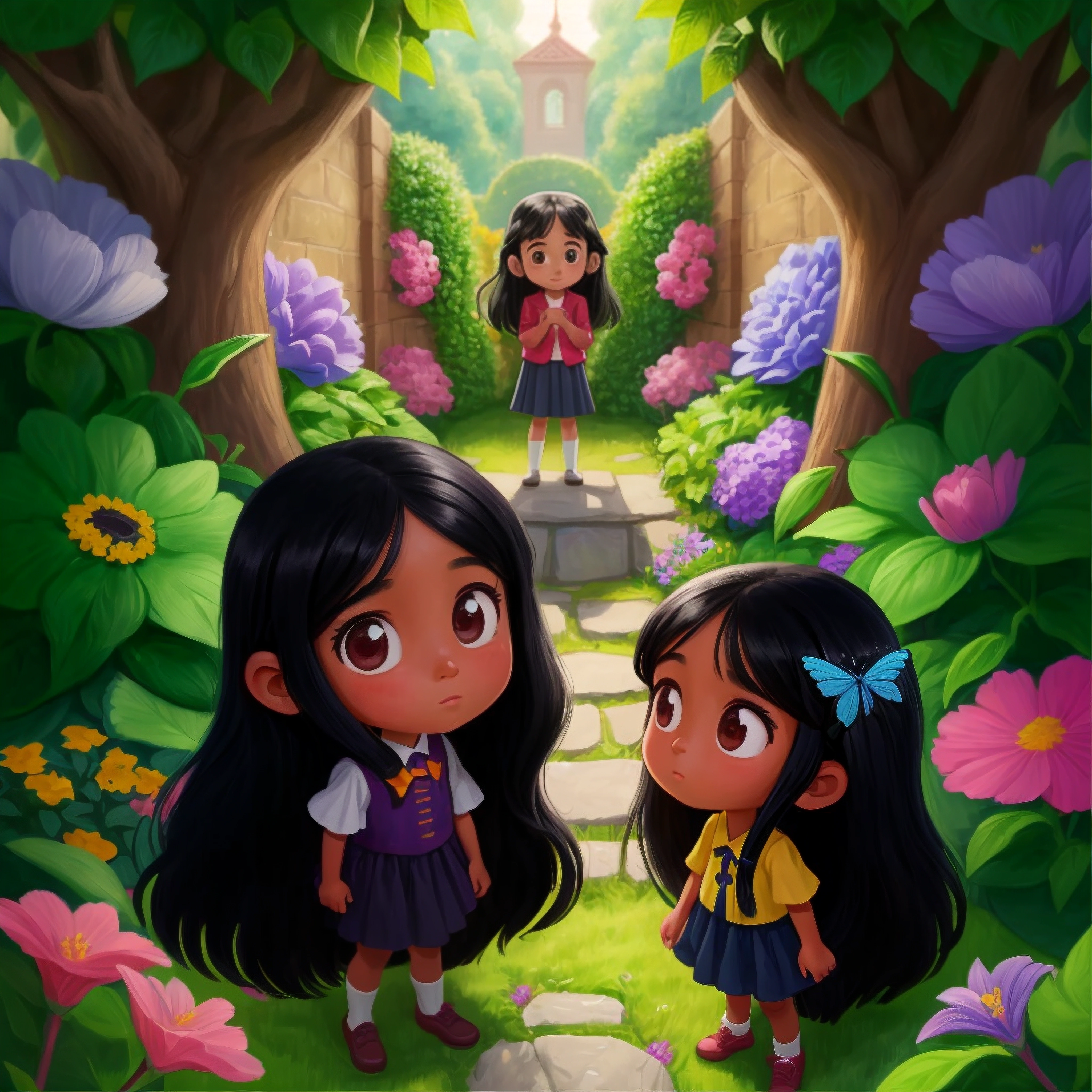
Black girl is playing
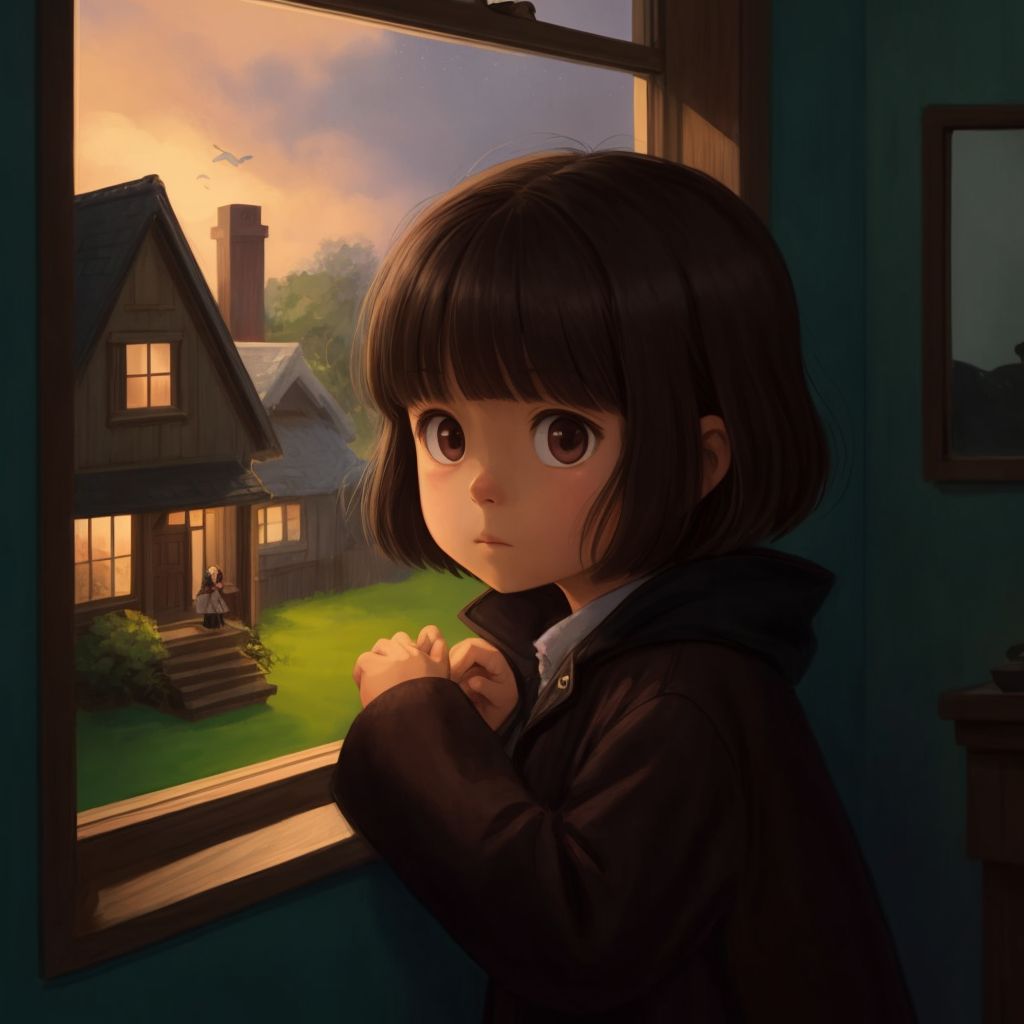
The lonely scary woman across the street was someone children stayed away from. However, things aren't always as we expect them to be... She was an angel who fought monsters at night to keep the children safe.
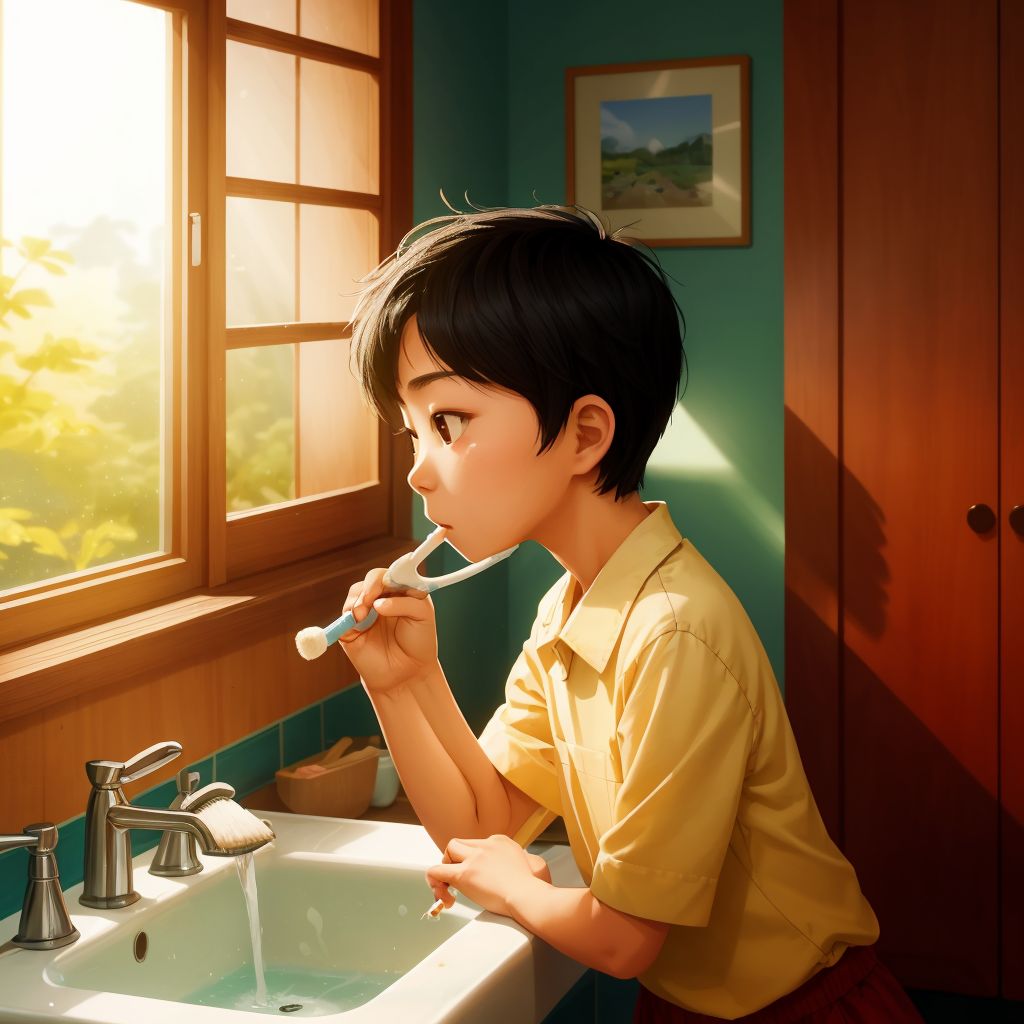
Every morning, I wake up early. First, I brush my teeth and wash my face. Then, I have breakfast with my family. We eat rice, eggs, and sometimes fruit. After breakfast, I get ready for school. I wear my uniform and pack my bag with books and pencils. Then, I walk to school with my friends. We talk and laugh on the way. At school, I have many classes like math, science, and English. I enjoy English class because I want to speak fluently like you. After classes, I eat lunch with my friends. We share food and stories. After school, I go home and do my homework. Sometimes it's hard, but I try my best. When I finish, I help my mom with chores like washing dishes or sweeping the floor. Then, I play with my little brother. We like to play games or watch cartoons together. In the evening, we have dinner as a family. We eat delicious Thai food like noodles or curry. After dinner, I take a shower and read a book before bedtime. Then, I say goodnight to my family and go to sleep.
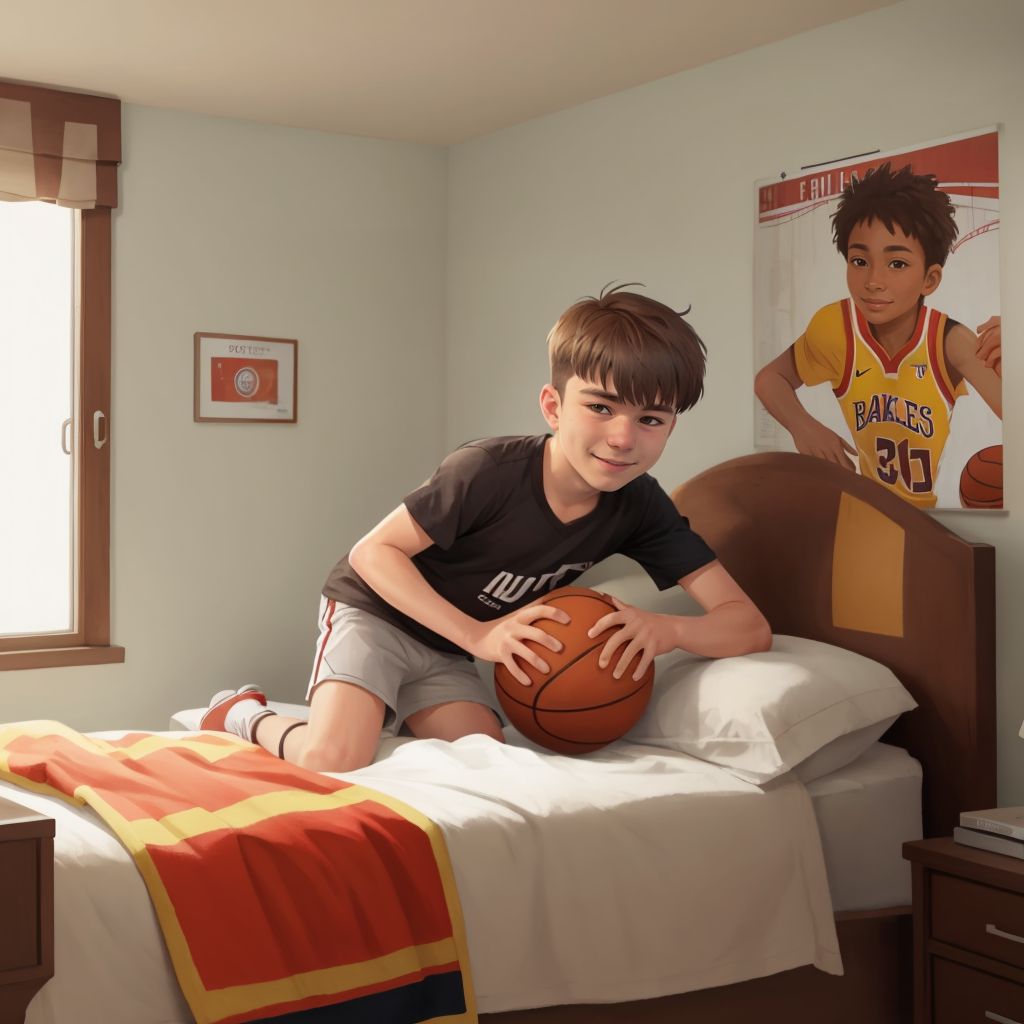
Ruby and Luka walks into the basketball court for Lucas basketball grand final. Luka warms up he is full of excitement and a little anxious Ruby pick up on it. So she went up to Luka and said I see you have butterflies, butterflies equal excitement don’t fear Luka breathe you’ve done this all before. So Luka feeling reinvigorated went out and played the best game of his life in the fourth quarter. Brady was cheering on from the side by saying go Luka go go Luka go And three seconds to go. The score was 52. All Luka had the ball. He dribble to the hoop and he did a slam dunk to win. Create an end Ruby and Luka celebrating having ice cream together Talking about excitement, butterflies, and breathing
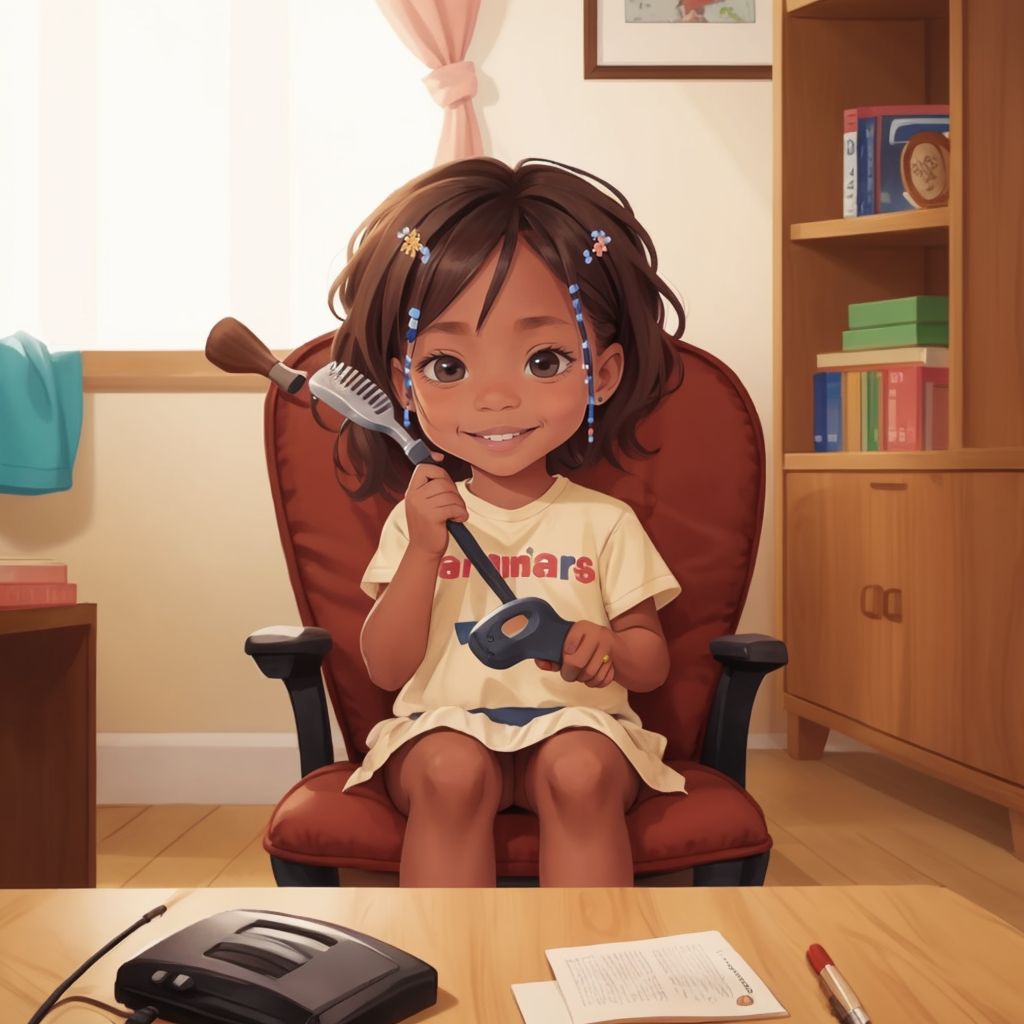
Hazel goes to get her hair braded. She hates getting her hair done. Hazels states it takes to long and some times she cries. When her hair is finished Hazels likes it because there are colorful beads on it. Hazels says she likes colorful beads.
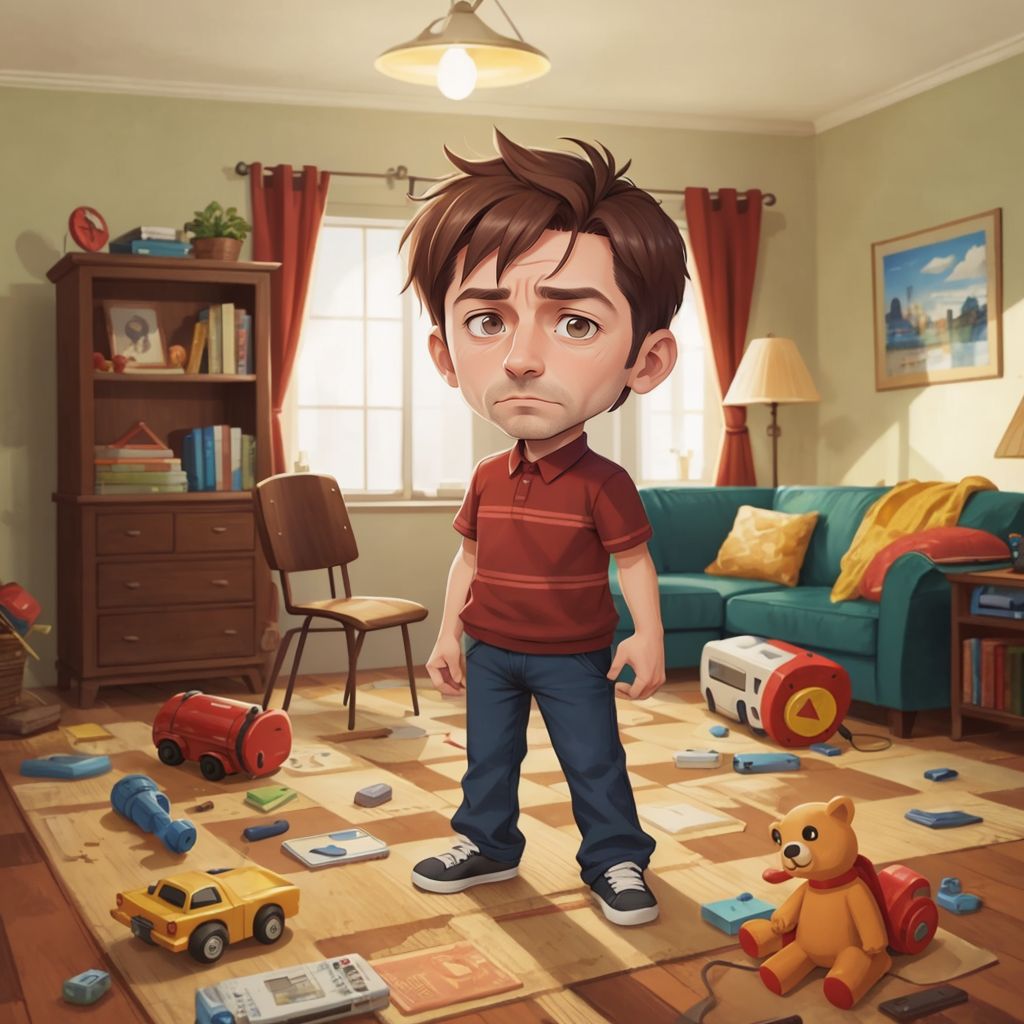
Grandpa, Can I Have a Hug? is a touching children’s story that follows siblings Ella and Linus as they navigate changes in their relationship with their beloved Grandpa, who has Alzheimer’s. Grandpa once filled their days with laughter, tickling, and fun activities. But slowly, he begins to change—he forgets things, loses his playful humor, and becomes unsteady on his feet. Eventually, he moves to a nursing home. At first, the nursing home feels cold and unfriendly. Ella and Linus don’t know how to connect with Grandpa there, and they miss the way he used to be. But everything improves when Grandpa moves to a new, warm nursing home where the staff welcomes visitors as part of the care team. Slowly, Ella and Linus grow comfortable in this new environment. Though it takes time, the siblings find the courage to hug Grandpa, sparking a moment of connection that bridges the gap caused by his illness. From there, they discover new ways to enjoy time with him—taking him on wheelchair “adventures” through the halls, sharing treats, and spending time as a family. Through gentle storytelling and heartfelt illustrations, Grandpa, Can I Have a Hug? helps children understand that even though loved ones may change, the love they share remains strong. The story offers comfort and encourages young readers to find new ways to connect, showing that love can endure even through the hardest changes.
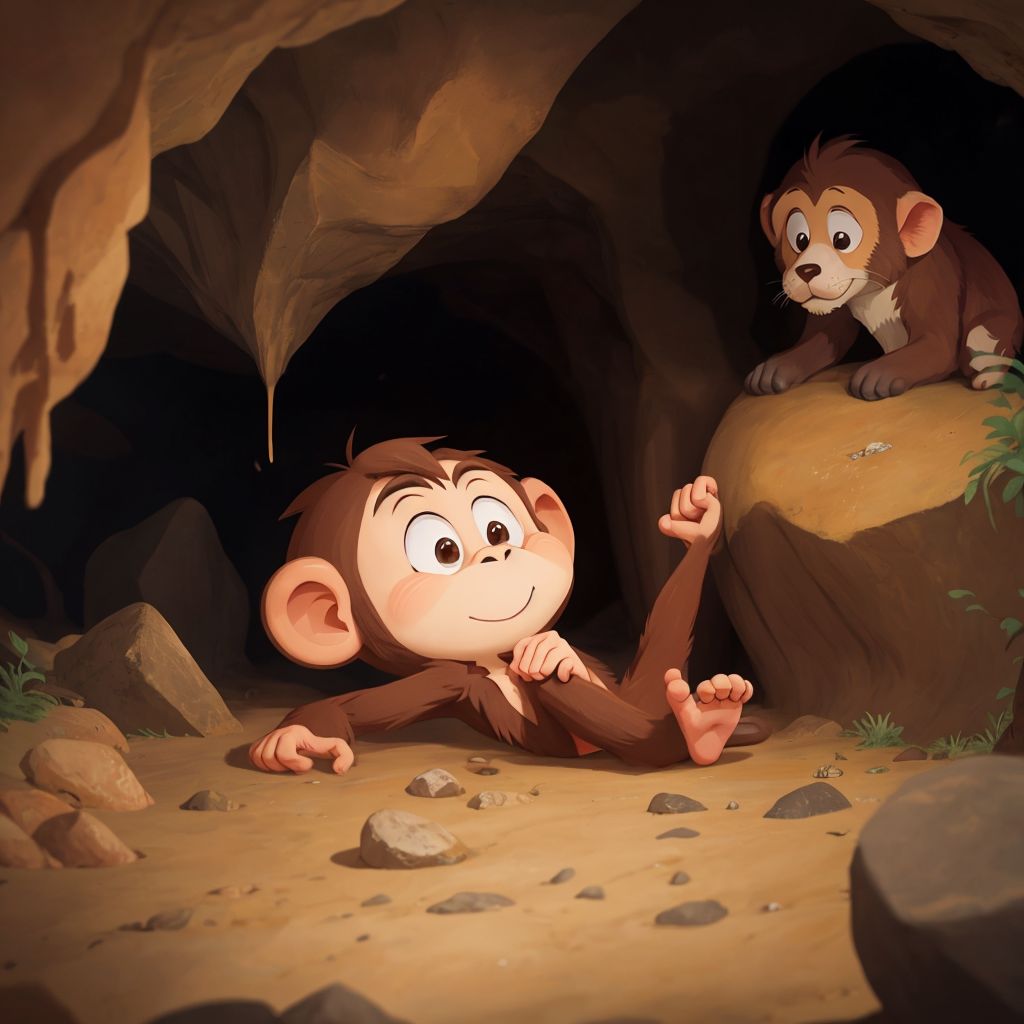
1. Unggoy na nasa Kweba na nakahiga, kinausap ng Kuneho 2. Maganda ang araw sa Forest, maaliwalas kasama ng mga animals 3. Nagugutom si Unggoy, naghahanap ng makakain. 4. Nagnakaw ito at kinain ang pagkain ng Kuneho 5. Nakita ng Rabit na kinakain ng Unggoy ang kanyang pagkain ( Carrots) 6. Galit ang mukha ng rabbit habang kinakausap si Unggoy.
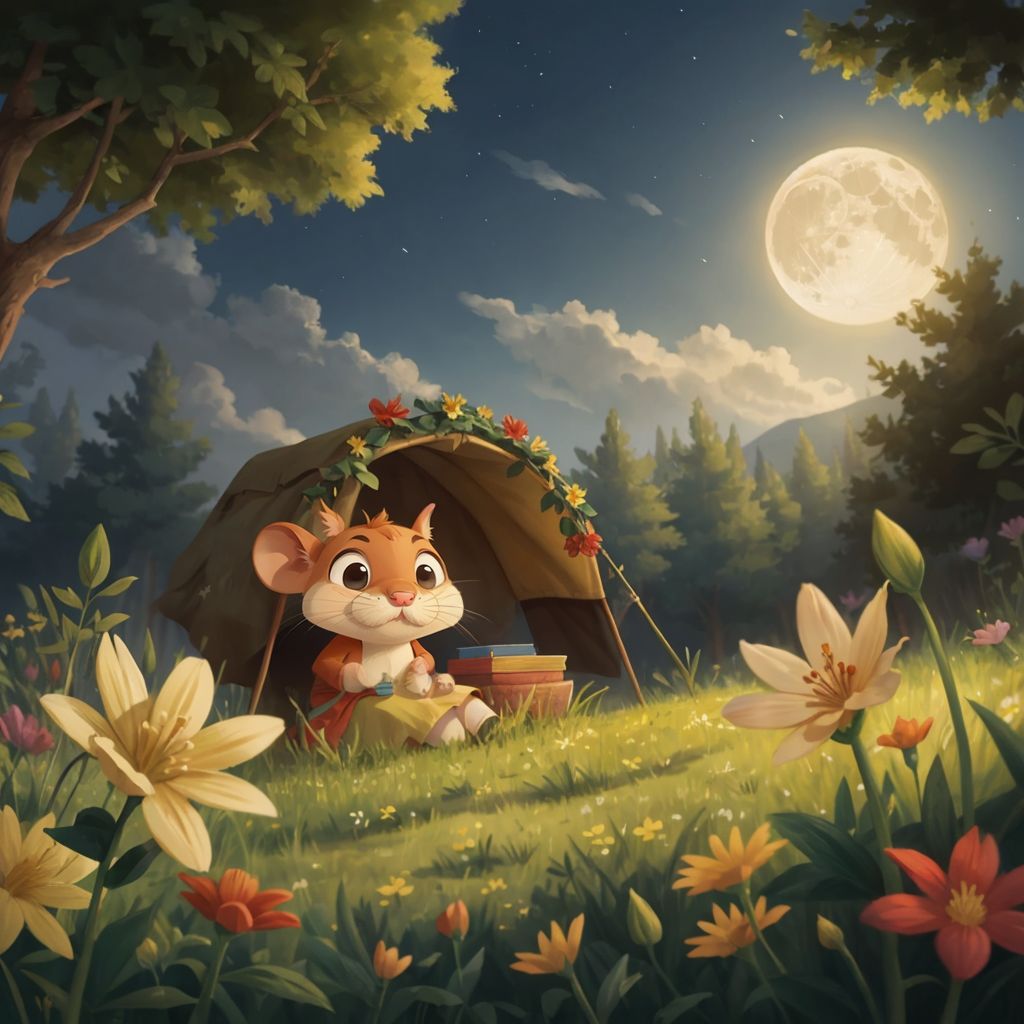
Once upon a time there was a little mouse named Tito, who lived in a flowery field near a forest. Tito was small, but he had a big heart and a special dream: he wanted to touch the moon! Every night he looked up at the sky and dreamed of reaching that shining light. One day, Tito decided to ask his friends in the forest for help. “How can I reach the moon?” he asked the wise owl. “The moon is far away, but if you believe, you will find a way!” she replied. Tito did not give up. He went to Leo the rabbit, who suggested: “Jump as high as you can!”. Tito tried, but the moon was still far away. Then he met Bruno the bear. “Use a tall ladder!”, Bruno said laughing. Tito built a ladder out of twigs, but it wasn’t enough. Sad, Tito lay down on the grass. Then he saw the reflection of the moon in a pond and understood: even if he couldn't touch the real moon, he could admire it every night and dream! From that day on, Tito understood that sometimes you don't need to reach the stars to be happy: you just need to look at them and never stop dreaming. 🌟 And they all lived happily ever after. 🐭🌕
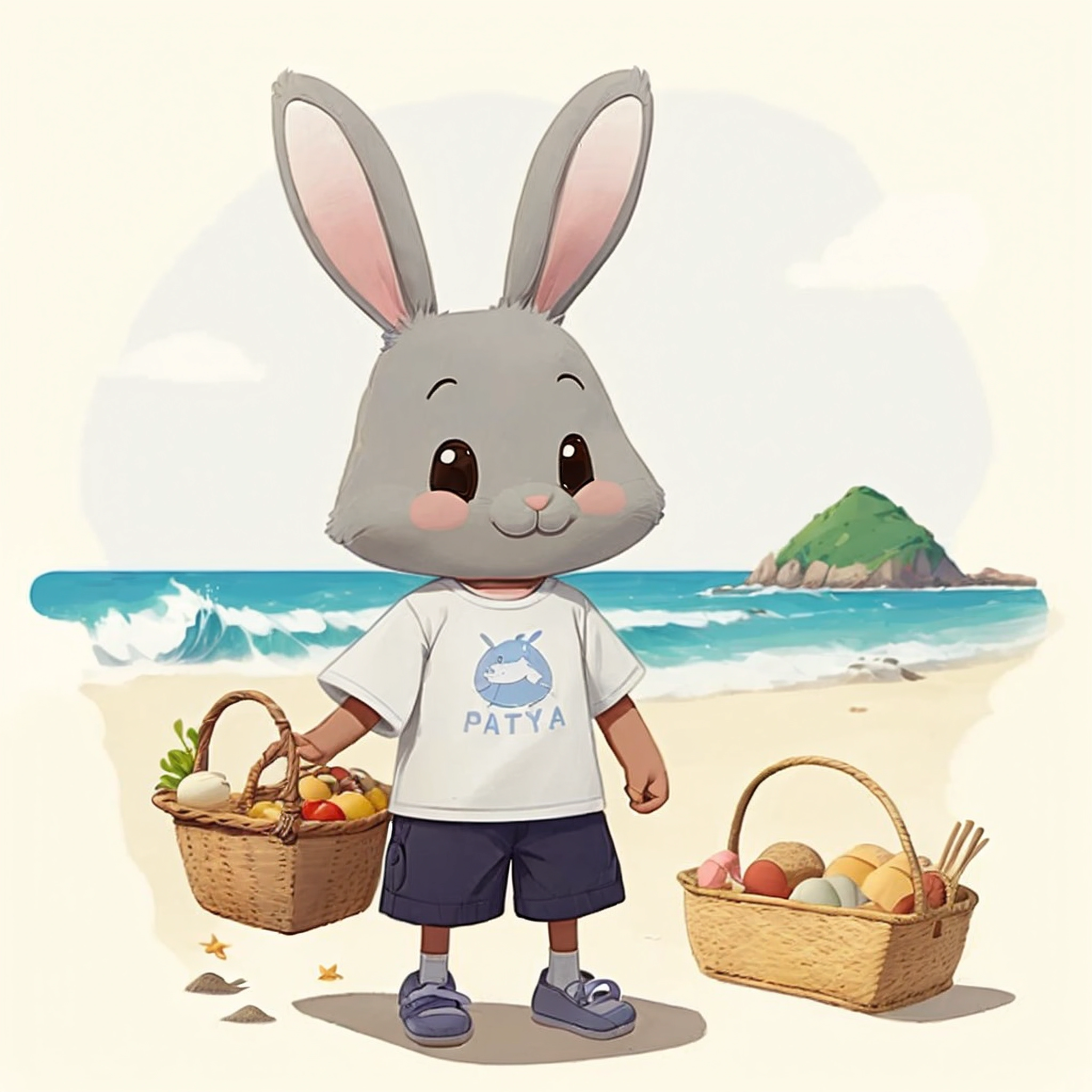
Ralphie and baxter are cartoon bunnies with baxter being the younger, curious and playful bunny and ralphie being the older wiser, more serious bunny. Ralphie tries to teach Baxter different things that reading children can learn from also. Baxter usually will do something to get in trouble and then Ralphie will get mad and Baxter has to figure the right way to do it, show Ralphie what he learned and end with a happy ending. This story is an adventure at a beach where Baxter goes in the deep end without telling Ralphie first, and being careful.
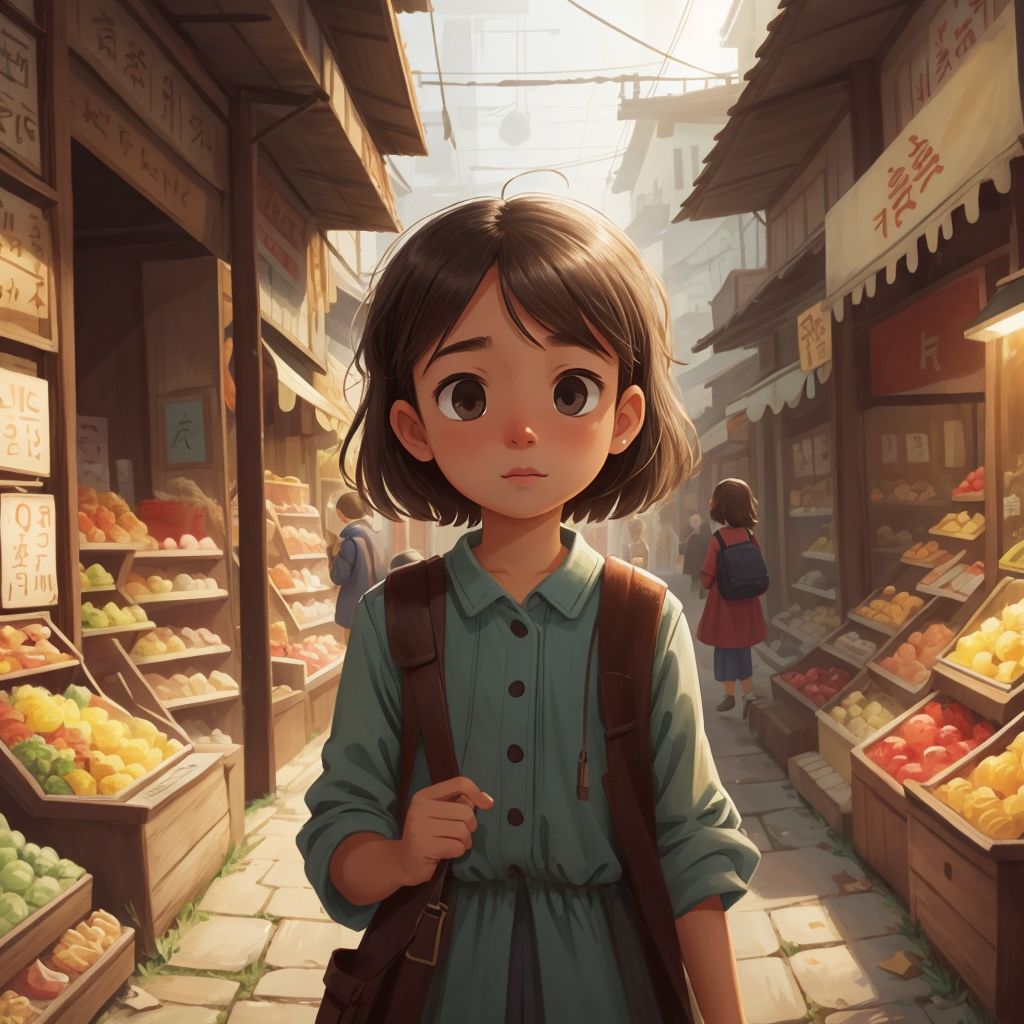
When the entire memory market crashes, Elia stumbles upon a hidden memory fragment that could hold the key to a vast conspiracy. As she delves deeper, she uncovers a truth that could rewrite history and change society forever. However, powerful forces want that memory buried, and Elia finds herself on the run for her life.
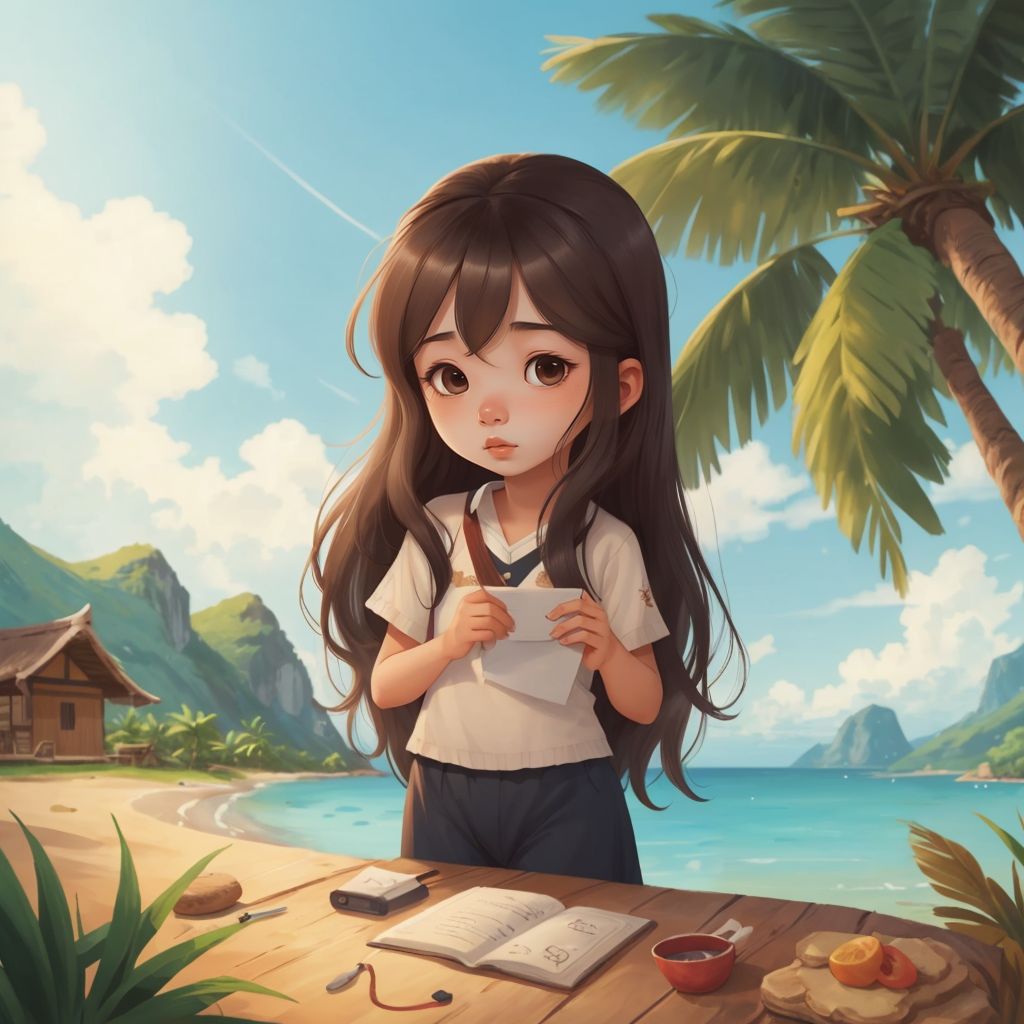
Lila, a spirited girl from a serene island village, embarks on an extraordinary journey to a bustling city after receiving an invitation to study at a prestigious university. Immersed in a world of skyscrapers, diverse cultures, and endless opportunities, Lila discovers the vastness of the world and the richness of its experiences. Through her adventures and encounters, she learns to appreciate both the grandeur of city life and the timeless beauty of her island home. Her journey reveals that while the world is expansive and full of wonders, the most profound insights often come from embracing both new horizons and cherished simplicity.
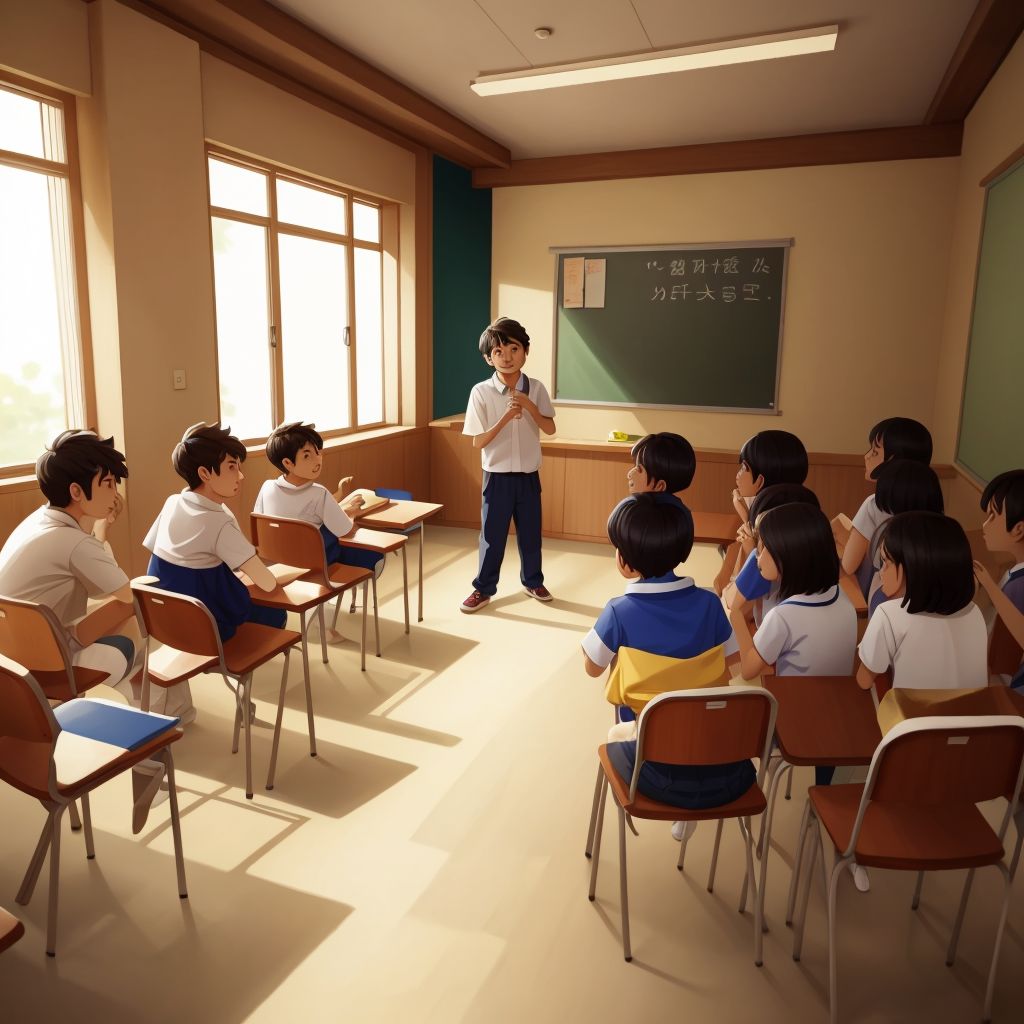
浚巴對同學們說話,同學們圍成一圈,小聲交談。 浚巴在畫面左側,同學們在右側,背景是教室一角。 山老闆站在老師的辦公桌前,老師坐在椅子上認真聽。 浚巴在辦公室裡,老師站在前面嚴肅地訓誡他。 浚巴低頭,拳頭緊握,背景是辦公室的書架和文件。 浚巴坐在電腦前,面對屏幕,表情陰沉。 手指快速敲擊鍵盤,背景是家庭書房的環境。 山老闆拿著手機,眼睛瞪大,臉色凝重。 背景是山老闆的房間,桌上有書和其他學習用品。 山老闆站在辦公室裡,對老師和校長報告。 老師和校長互相對視,背景是辦公室的牆壁和書櫃。 浚巴在校長辦公室裡,被嚴厲訓誡,低著頭。 校長和老師站在一旁,手中拿著留言證據。 同學們在操場上玩耍,嬉笑打鬧。 浚巴孤單地站在辦公室門外,遠處的山老闆和同學們在一起玩耍。
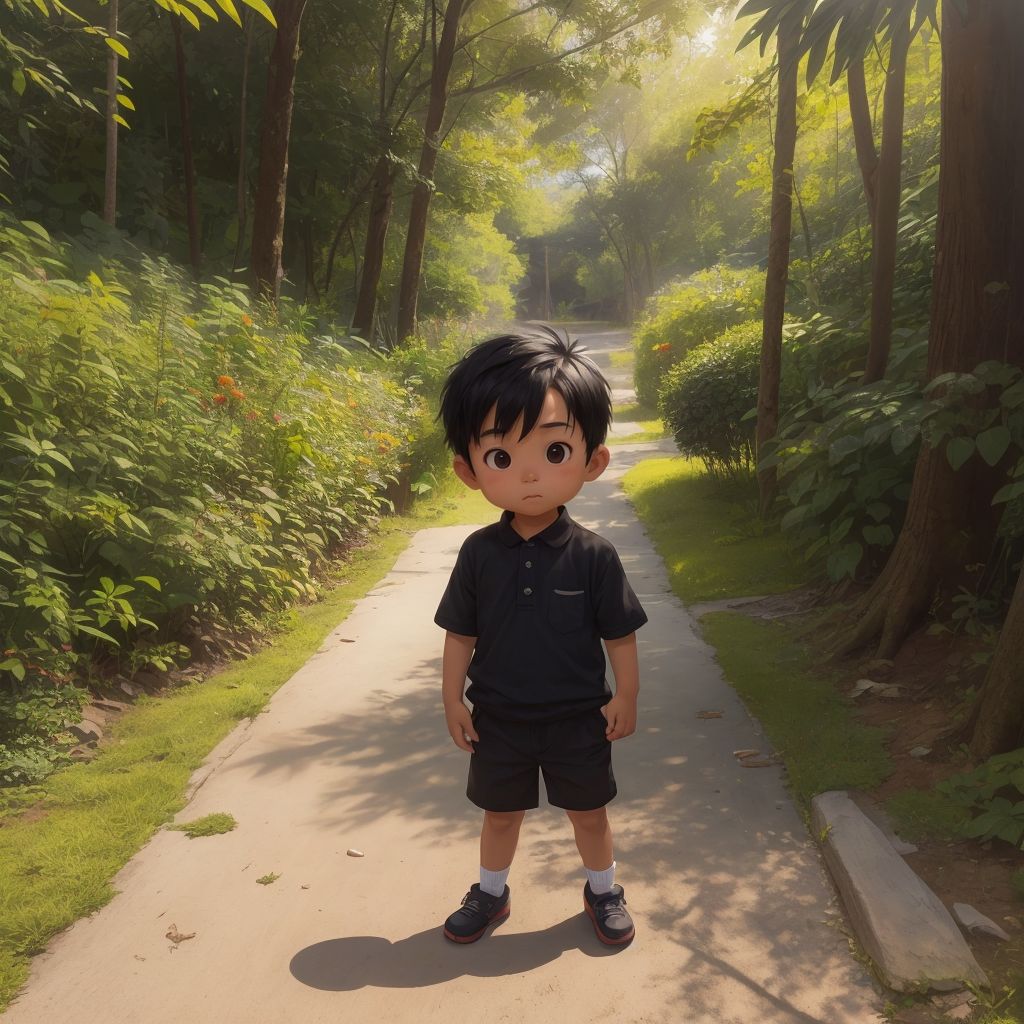
A little boy explaining the different parts of his body.
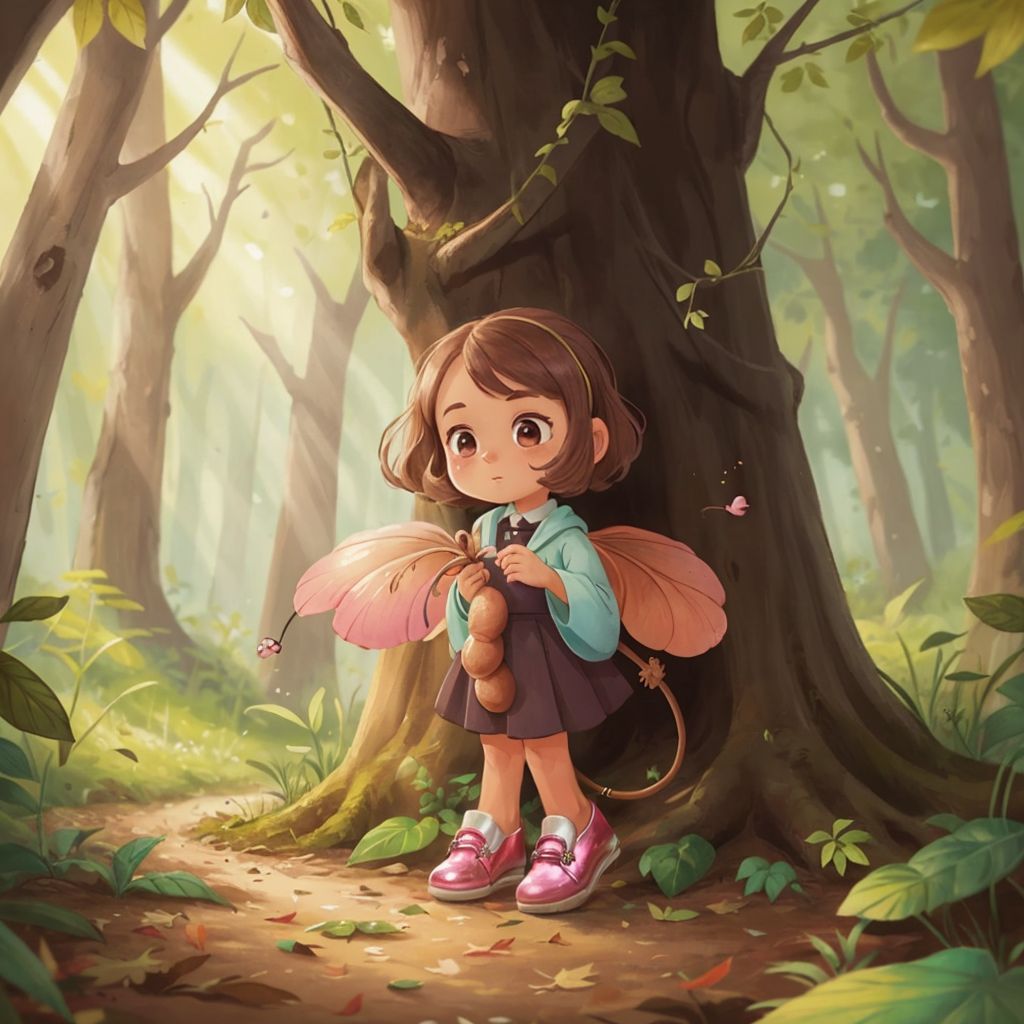
Sophia is a cute caterpillar that lives on the forest floor. She loves eating leaves but most of all she loves shoes for all her feet. She loves glittery, pretty shoes. Sophia is a unique little worm. She is a different type of worm with a very long name. I wonder if you would be able to say it, Let's try say it together. Sophia is a Shongololo. What a strange name I hear you say. Sophia Shongololo, she's off to start her day. Shhh... listen carefully TIP TAP Tip tap. Can you hear? Sophia is very near. Sophia Shongololo lives in Africa, in a lush forest. Where there is everything a little worm ever wanted.Shhh... listen carefully TIP TAP TIP TAP. What is that sound? It's Sophias feet walking on the ground. Sophia likes nothing more than to chew on crunchy, munchy leaves lying on the forest floor.Oh wait, there is one thing she loves just a little more. Sophia loves shoes which is actually quite exciting. With so many feet, the thought of all her shoes is actually quite delighting. SHHH... listen carefully, tip tap tip tap. It's a sound you're beginning to know. Tip tap, it's Sophia coming to say hello. Sophia shongololo loves shoes of all shapes, sizes and colours. Especially ones that sparkle and gleam. When she is marching along the forest floor it's the most magnificent sight you have ever seen. Shhh, listen carefully tip tap tip tap. Her footsteps sound like a beating drum. Look at all her shoes sparkle in the sun. How many shoes can you count? One, two, three, four five... slow down Sophia.Shhh... listen carefully tip tap tip tap Sophia is getting ready for bed. tip tap mommy shongololo is giving her a kiss on the head. sophia has taken off her shoes and brushed her teeth. with trees above her and leaves laying underneath. the little shongololo is crawling into bed warm and snug. sophias mommy is there to give her one last hug. sophias eyes are closed, she is fast asleep. dreaming of her rainbow shoes, there is no more tip tap, not a peep
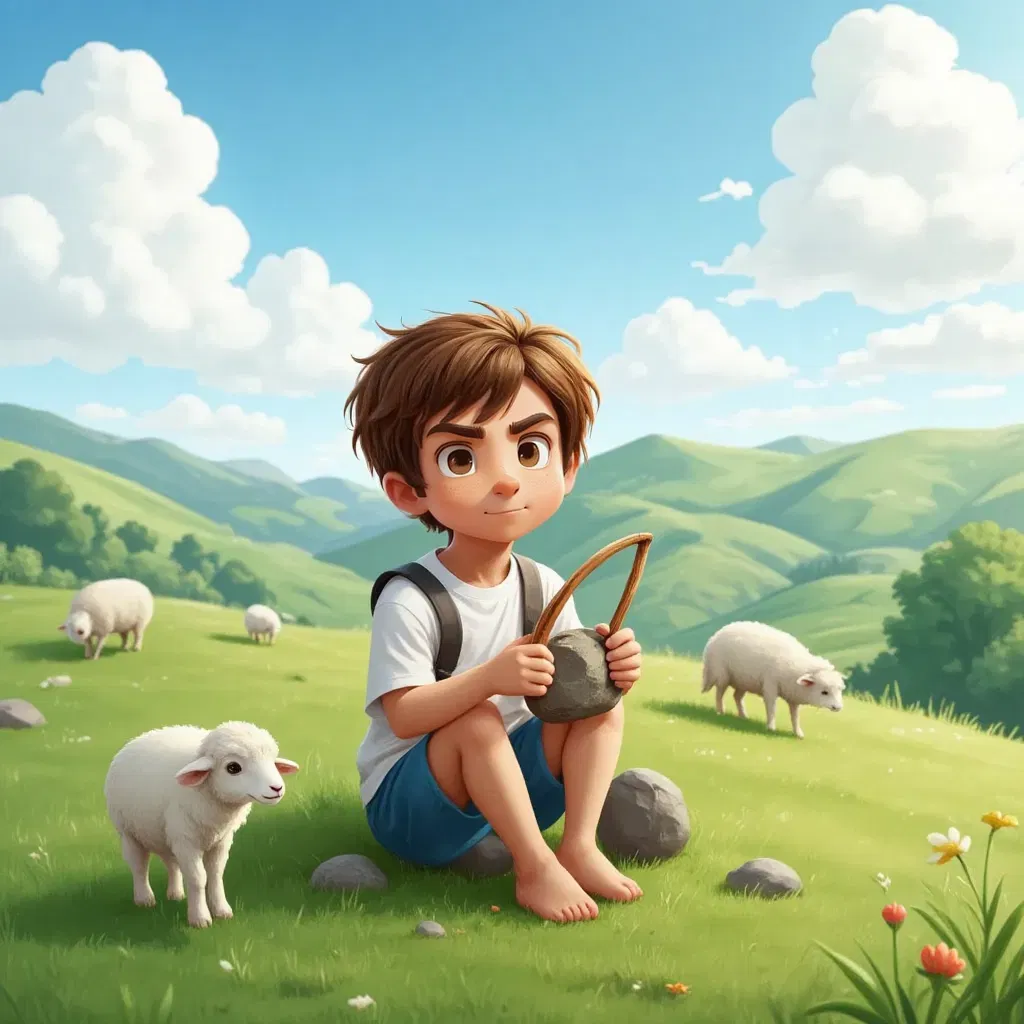
David, a young shepherd, defeats Goliath, a giant warrior, not by strength but by his wit and faith
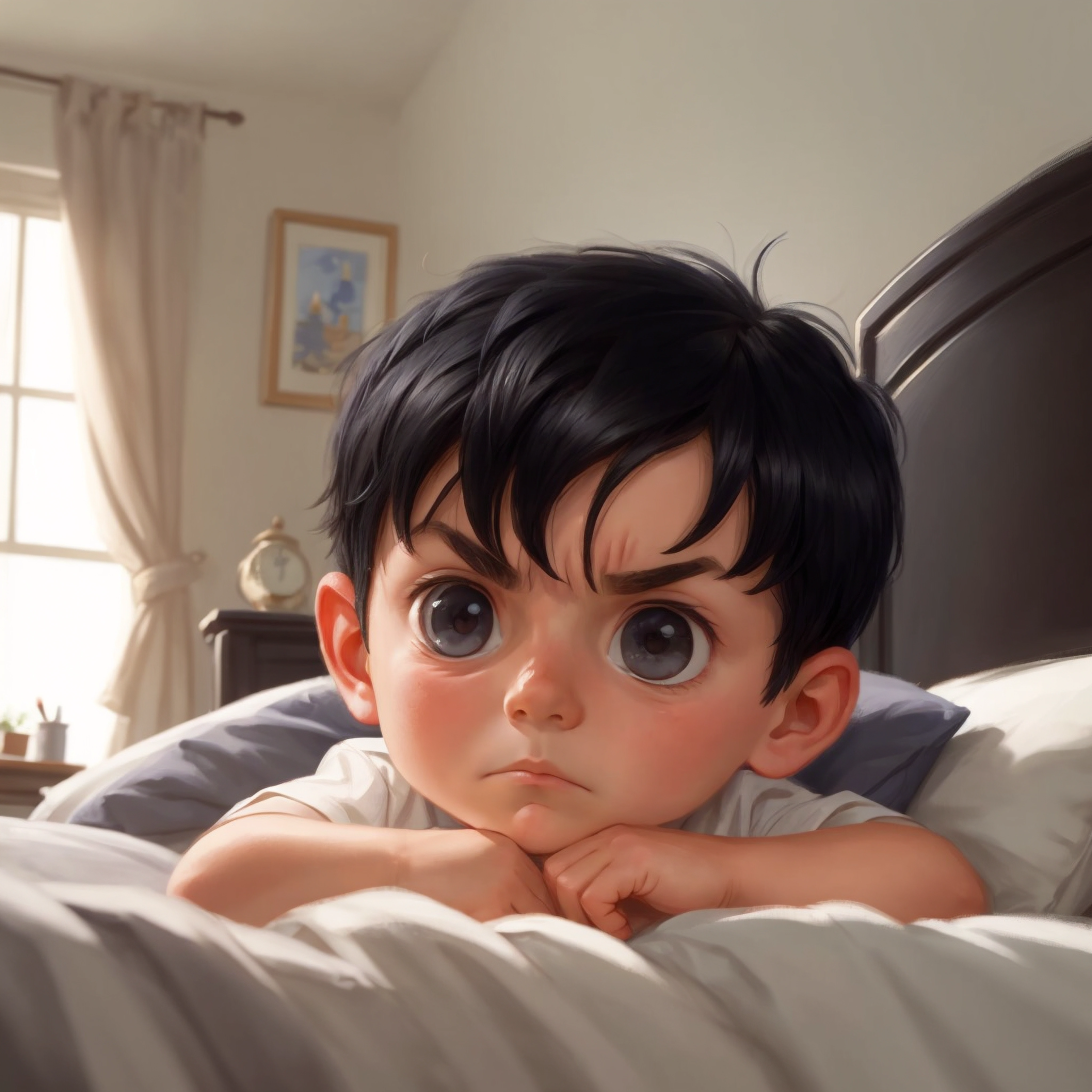
Eustace is a young boy that has 3 cousins that he doesn’t like .

Hey there, I’m Dolmain, and I’ve got a tale about Thangka and Mandala art that’ll blow your mind! Picture Tibet's landscapes, where monks create Thangkas—intricate masterpieces on silk or cotton, depicting Buddhist scriptures. Each brushstroke is part of Tibetan Buddhism's epic saga, with artists using minerals and gold leaf. Now, let’s explore Mandala art in India and Nepal. Mandalas, meaning "circle" in Sanskrit, are cosmic dances of colors and shapes, illustrating the universe's interconnectedness. Thangkas and Mandalas hold hidden meanings, from lotus flowers symbolizing purity to intricate patterns representing cosmic order. Each detail unveils truths about life and spirituality. Crafted by skilled artisans, Thangkas and Mandalas undergo meticulous techniques, becoming vibrant tapestries of color and form. These artworks aren't just for admiration; they're tools for meditation. Immersing in their details leads to inner peace and spiritual insight.